 English
 Español
 Русский

Vision/Value: Pragmatism, Integrity, Passion

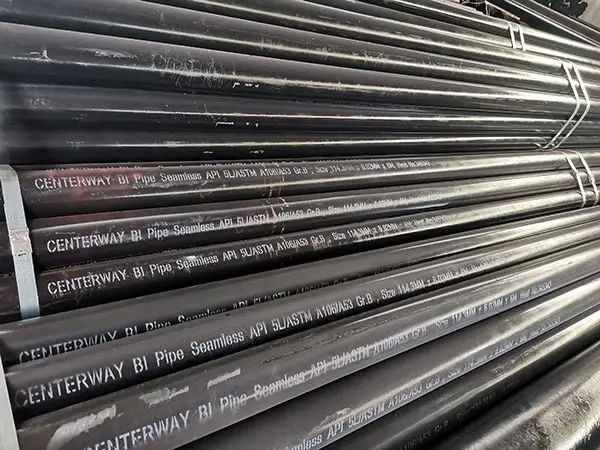
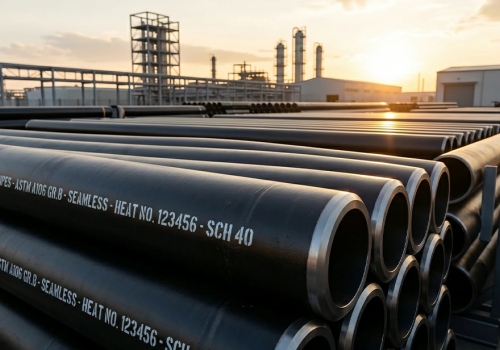
Struggling with pipeline failures under extreme heat? High-pressure environments demand materials you can trust. Let me show you why the right seamless pipe solves this stress instantly. An a106b smls pipe is a carbon steel seamless pipe designed specifically for high-temperature and high-pressure industrial applications. It handles temperatures up to 425°C, offering exceptional yield strength and weldability for power plants, refineries, and chemical processing systems.
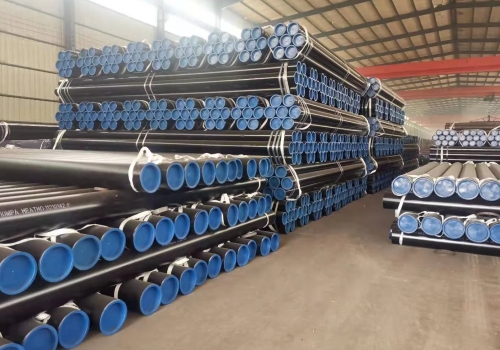
Choosing the wrong pipe grade often leads to catastrophic leaks and budget overruns. Let's break down exactly what makes this material so reliable and how it keeps your projects running smoothly.
Worried about your pipes cracking under pressure? Poor chemical balance causes material failure. Understanding the exact makeup of these pipes guarantees you select the safest option. The a106b smls pipe relies on a strictly controlled carbon content below 0.30%, combined with manganese and silicon. This precise blend ensures a minimum tensile strength of 415 MPa and a yield strength of 240 MPa without sacrificing weldability. To truly understand why this material performs so well, we need to look at the numbers. As someone who has spent nearly two decades sourcing materials for demanding construction sites, I always check the mill test certificates first. The secret to this pipe's success lies in its medium-carbon structure. When carbon exceeds 0.30%, the steel becomes brittle and hard to weld. By keeping carbon in check and adding manganese, the steel gains immense strength while staying flexible enough for complex joint work.
· Manganese (Mn): 0.29% to 1.06%
· Silicon (Si): Min 0.10%
· Tensile strength: 415 MPa minimum
· Yield strength: 240 MPa minimum
· Elongation test: Varies by specific wall thickness Here is a quick comparison table to show how it stacks up against standard A53 pipes.
| Feature | ASTM A106 Gr B | ASTM A53 Gr B |
|---|---|---|
| Manufacturing | Seamless only | Seamless or Welded |
| Silicon Content | Min 0.10% | No minimum |
| Primary Use | High-temperature | General pressure |
| Average Cost | $1,100 per ton | $950 per ton |
Hidden internal defects can ruin an entire pipeline network. Without proper testing, you risk massive delays. Here is how top-tier manufacturing guarantees flaw-free delivery. Manufacturers produce these pipes through hot rolling or cold drawing. To ensure safety, every pipe undergoes rigorous testing, including hydrostatic pressure tests, ultrasonic non-destructive testing, and chemical composition analysis before it ever reaches your site.
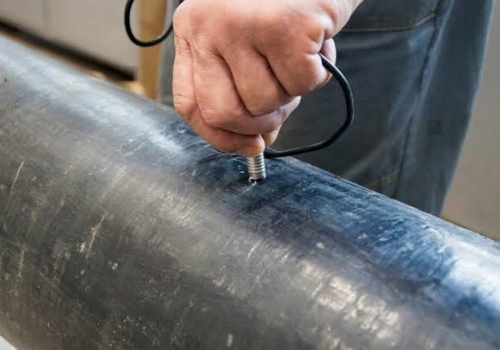
I never approve a batch of pipes without verifying the manufacturing and testing steps. The production process directly dictates how the pipe will behave when you push 400°C steam through it. We offer these pipes in outer diameters ranging from 1/8 inch to 26 inches, with standard (STD), extra strong (XS), and double extra strong (XXS) wall thicknesses.
· Hot rolling: Heating steel billets to extreme temperatures before piercing. Excellent for fast production and thicker walls.
· Cold drawing: Machining pipes at room temperature. Perfect when you need tight dimensional tolerances and a smooth surface.
· Hydrostatic testing: Pumping water into the pipe to verify it holds pressure without leaking.
· Non-destructive testing (NDT): Using ultrasound or eddy currents to find microscopic internal cracks.
· Mechanical testing: Pulling the metal apart to confirm tensile and yield limits. Skipping these steps costs money. A single ruptured pipe can halt a refinery project for weeks, costing tens of thousands of dollars in downtime. At Centerway Steel, we ensure our testing exceeds standard requirements, giving you absolute confidence when these materials hit your job site.
Still have doubts about specific applications or temperature limits? Uncertainty leads to poor purchasing decisions. These answers will clarify your final technical concerns quickly. Users frequently ask about temperature limits, weldability, and cost comparisons. The maximum operating temperature is 425°C, welding is highly efficient with standard methods, and it offers better value than stainless steel for mid-range corrosive environments.
Over my years of handling pipe procurement, my team constantly brings up the same valid concerns. I prefer simple, direct answers. Let me address the most common issues directly to save you time and money on your next purchase order.
Q: What happens if the temperature exceeds 425°C?
A: The long-term strength of the carbon steel drops rapidly due to graphitization. If your system runs hotter, you must upgrade to alloy pipes like ASTM A335 P11.
Q: Do I need to preheat before welding?
A: Yes. Although the carbon equivalent is well-controlled, preheating the joint prevents thermal shock and cracking. Post-weld heat treatment is also highly recommended to relieve stress.
Q: Is an a106b smls pipe more expensive than a welded pipe?
A: Seamless pipes cost roughly 15% to 20% more than welded pipes of the same size. However, the lack of a weld seam provides a much higher safety factor, meaning fewer replacements over a 20-year lifespan.
Q: Can I use this pipe in highly corrosive chemical plants?
A: Not on its own. While it handles heat and pressure perfectly, raw carbon steel rusts quickly in harsh chemicals. You will need internal linings or external anti-corrosion coatings to protect the metal.
Upgrading your high-temperature systems with a premium a106b smls pipe ensures lasting safety. Contact Centerway Steel today to get high-quality materials and competitive pricing for your next project.