 English
 Español
 Русский
Vision/Value: Pragmatism, Integrity, Passion

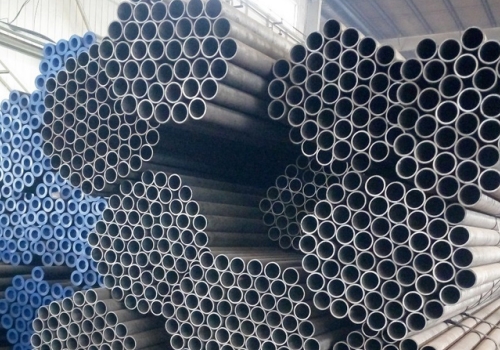
High-pressure environments cause poor pipes to fail. This costs you time and money. I will show you how standard pipes fix this problem. ASTM A192 boiler tubes are seamless carbon steel pipes designed for high-pressure service. The American Society for Testing and Materials sets this standard. It covers chemical composition, dimensions, and testing rules to ensure safety in boilers and heat exchangers.
I know pipe selection is hard. You want a safe system. Keep reading to learn the exact details that will help you buy the right materials.
Wrong pipe sizes lead to leaks. Bad steel chemistry causes breaks. I want to help you avoid these dangerous mistakes on your job site. These tubes usually range from 1/2 inch to 7 inches in outside diameter. The wall thickness goes from 0.085 to 1.000 inches. The steel contains specific amounts of carbon, manganese, and silicon to give it the right strength.
You must choose the correct size for your system. We offer outside diameters from 12.7 mm to 177.8 mm. We can make custom sizes too. The wall thickness is very important. It ranges from 2.2 mm to 25.4 mm. We supply these pipes in standard lengths of 27 meters. We also cut them to your specific length.
The steel mixture matters a lot. Carbon gives the pipe its strength. Manganese helps the steel harden. Silicon takes oxygen out of the metal during melting. We control these elements tightly. Here is a clear table of the chemical limits.
| Element | Required Percentage |
|---|---|
| Carbon | 0.06% - 0.18% |
| Manganese | 0.27% - 0.63% |
| Silicon | Maximum 0.25% |
| Phosphorus | Maximum 0.035% |
| Sulfur | Maximum 0.035% |
Your system needs strong pipes. The tensile strength must be at least 325 MPa. The yield strength must be at least 180 MPa. We test the hardness of every batch. This ensures the pipe will not crack under pressure. We keep the Brinell hardness below 137 HB.
Weak manufacturing causes hidden flaws. Unchecked pipes will break under pressure. I will explain our strict process to give you peace of mind. We make these tubes using hot working or cold working methods. Hot-worked tubes skip heat treatment. Cold-worked tubes get heated to at least 650°C. We then use flattening, flaring, and hydrostatic tests to prove their safety.
We use two main ways to make these pipes. Hot working shapes the metal while it is very hot. This method is fast and needs no extra heating later. Cold working shapes the metal at room temperature. This makes the surface very smooth. But cold working adds stress to the metal. So, we heat the cold-worked pipes to 650°C. This removes the stress and makes the steel tough.
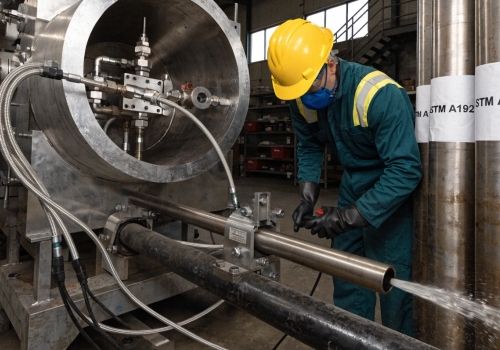
We test every pipe. The flattening test pushes the pipe flat. This shows if the pipe can take heavy outside weight without breaking. The flaring test stretches the pipe end. This proves the pipe will not crack when you install it. Finally, the hydrostatic test fills the pipe with water under high pressure. This checks for leaks.
I remember a big project in Turkey last year. A client needed reliable pipes for a large power plant. They worried about high pressure leaks. We at Centerway Steel sent our engineering team to Turkey. We discussed their needs face-to-face. We supplied them with a full batch of tested pipes. Our exact testing methods saved them money and time. The project runs perfectly today.
Putting the wrong pipe in a chemical plant causes disasters. Guessing the pressure limit is risky. I will show you where and how to use them safely. You can use these pipes in power plants, superheaters, and chemical factories. They handle heat and pressure extremely well. A 1-inch pipe with standard thickness can hold up to 6670 psi at 400°F. This makes them perfect for heat exchangers.
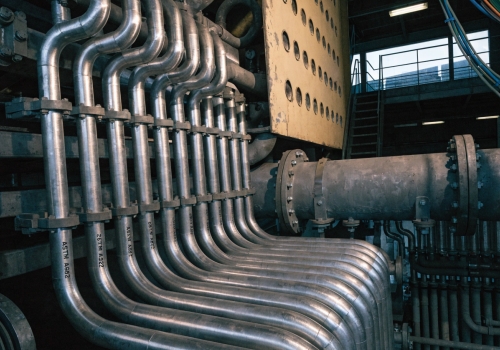
These pipes work best in tough places. Power generation plants use them to move hot steam. Superheaters use them to make steam even hotter without raising the pressure. Heat exchangers rely on them to pass heat between different liquids. The chemical industry also uses them. Chemical plants have high heat and dangerous materials. Our seamless pipes keep these plants safe.
You must match the pipe to your system pressure. We follow standard rules for this. The maximum working pressure changes based on the pipe size and wall thickness. We measure this at 400 degrees Fahrenheit. Below is a simple table showing some common pressure limits in psi.
| Pipe Size (NPS) | Outside Diameter (in) | Schedule STD (psi) | Schedule 80 (psi) |
|---|---|---|---|
| 1/2 | 0.84 | 8575 | 10908 |
| 1 | 1.315 | 6670 | 9316 |
| 2 | 2.375 | 4498 | 7097 |
| 4 | 4.5 | 3670 | 5782 |
| 6 | 6.625 | 3195 | 5318 |
Finding clear answers is frustrating. Bad information causes costly delays. I will answer the most common questions to help you move forward quickly. Buyers often ask about size ranges, testing options, and delivery times. We offer sizes from 1/2 inch to 7 inches. We can replace water tests with non-destructive tests if you want. Our stock allows for fast global shipping.
I talk to many buyers every day. They always have good questions. I want to share these answers with you. This will help you plan your next purchase.
Q: Can you provide custom lengths for these pipes?
A: Yes, we can. We provide single random lengths and double random lengths. We can also cut the pipes to your exact custom length. Standard lengths are usually 27 meters.
Q: Do all pipes need heat treatment?
A: No, they do not. Only cold-worked pipes need heat treatment. We heat them to at least 650°C. Hot-worked pipes do not need this extra step.
Q: Can we skip the hydrostatic test?
A: Yes, you can. We normally fill the pipes with water to check for leaks. But if you prefer, we can use non-destructive testing instead. This is based on your specific request.
Q: Why are seamless pipes better than welded pipes for boilers?
A: Seamless pipes have no joints. A weld is a weak point. High pressure can break a weld. Seamless pipes handle extreme pressure safely. They are much more durable for long-term use.
ASTM A192 boiler tubes provide strong, seamless performance for high-pressure systems. They keep your power and chemical plants safe. We at Centerway Steel are ready to supply your next project.