 English
 Español
 Русский

Vision/Value: Pragmatism, Integrity, Passion

Do you feel confused by different pipe standards? Picking the wrong pipe puts your project at risk and wastes money. I will show you how to choose correctly. When comparing astm a795 vs a53, the main difference is their purpose. You use A53 for general plumbing, gas, and steam. You use A795 strictly for fire protection systems. A795 requires stricter testing to handle high heat and sudden pressure changes during fires.
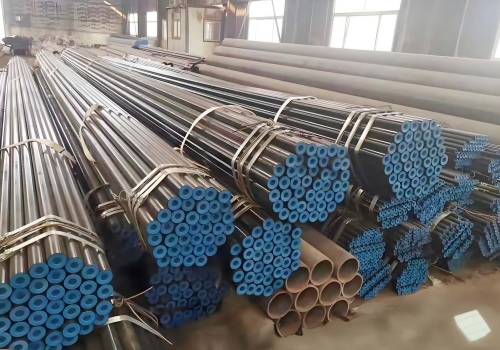
I have sourced steel pipes for 18 years in the construction industry. You must understand these details if you want to avoid costly project failures. Read the facts below so you do not make a bad purchase.
You might think these two pipes do the exact same job. They do not. Your project type completely decides which pipe you must buy. You install ASTM A53 pipes in standard industrial and plumbing networks to move water, steam, or air. You only install ASTM A795 pipes in fire sprinkler systems. Building codes strictly regulate where you can place each type of pipe.
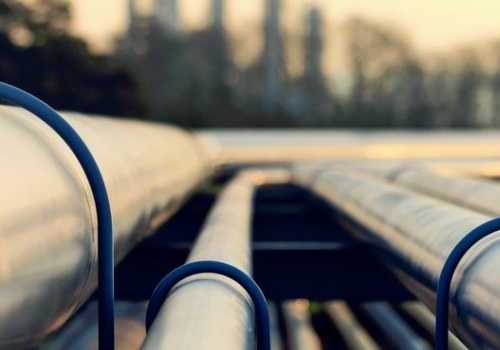
I often see buyers mix up these applications. You cannot swap them. When I look at building plans, the engineers specify the pipe based on the fluid and the risk level. We must follow these rules to keep buildings safe. Let us look at the exact uses.
· You move high-temperature steam in heating systems.
· You supply regular drinking water to buildings.
· You build structural supports and fences.
· You set up HVAC fluid networks.
· You build wet fire sprinkler systems.
· You install dry pipe fire networks.
· You set up pre-action fire systems.
· You construct deluge sprinkler lines.
· You route water to emergency fire pumps. I once caught a mistake where a contractor tried to buy A53 for a commercial fire sprinkler network to save money. We stopped the order immediately. If they installed the A53 pipe, the local fire marshal would reject the entire building. You always save time and money when you order the correct material from the start.
You need to know how mills form the steel. The manufacturing process directly changes how the pipe handles stress and high pressure. Factories make both pipes as seamless or welded tubes. However, they apply extra heat treatments and tighter wall thickness rules to A795 pipes. This extra work stops the fire pipes from cracking under extreme heat.
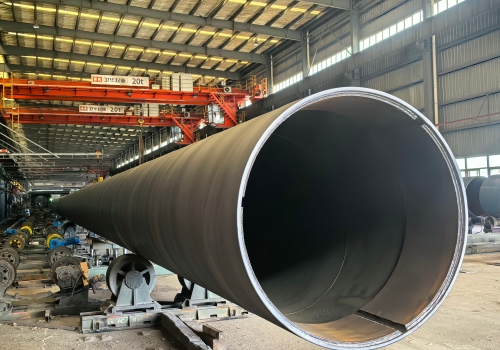
The way a factory makes the pipe determines its final strength. I always ask my suppliers about their production lines. Centerway Steel uses top-tier machines to form both types. We offer both pipes in Grade A and Grade B. Grade B has higher strength (which means it handles stress better), so I usually recommend it for tough jobs.
· Seamless: The factory heats a solid steel block and pushes a tool through the center. This makes a pipe with no weak spots.
· Welded: The factory rolls a flat steel sheet into a tube and uses electricity to weld the edges together.
· Coating: The factory dips the steel in hot zinc to prevent rust. To give you a clear picture of the strength, I made a simple table for the Grade B versions.
| Specification | Tensile Strength | Yield Strength |
|---|---|---|
| ASTM A53 Grade B | 60,000 psi | 35,000 psi |
| ASTM A795 Grade B | 60,000 psi | 35,000 psi |
As you can see, the base numbers look the same. But the factory treats the A795 weld seams differently. They often add a post-weld heat treatment. This step removes stress from the metal. The pipe needs this treatment so it stays strong when a fire suddenly heats the room.
You cannot trust a pipe just by looking at it. Proper factory testing proves the pipe will hold up during a real emergency. Workers push water into A53 pipes to check for basic leaks. For A795 pipes, workers use much higher water pressure. They also crush the A795 pipes flat to make sure the weld never breaks.
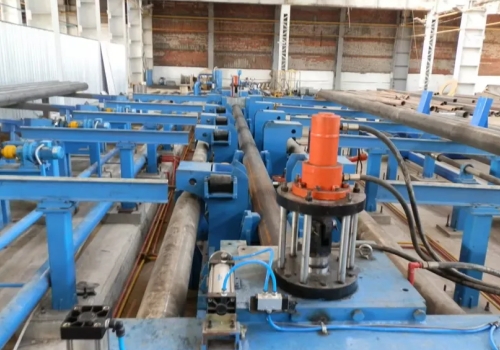
Testing remains the most important part of my job. If a pipe fails testing, I refuse the shipment. Both standards require hydrostatic tests. In a hydrostatic test, machines fill the pipe with water and increase the pressure. But fire systems face huge pressure spikes when the pumps turn on. So, factories test A795 at a higher level to handle this shock.
· Flattening Test: Workers compress the pipe to test flexibility. The weld must not crack.
· Nondestructive Test: Scanners look for hidden flaws inside the steel wall.
· Dimension Check: Lasers measure the wall thickness to confirm exact sizes.
· You pay slightly more for A795 because the factory runs more tests.
· You face massive fines if you use A53 where safety codes demand A795.
· You risk building damage if a weak pipe bursts during a fire drill. I rely on Centerway Steel because we provide full test reports for every batch. You can track every pipe back to the exact machine that made it. This transparency keeps your project safe and protects your budget from sudden surprises.
Can I substitute A53 for A795 in my project?
No. Building codes require A795 for fire sprinkler networks. Fire inspectors will fail your project if you use A53.
Which pipe costs more money?
A795 generally costs more. The factory spends more time testing and treating the steel to meet strict fire safety rules.
Do both pipes come with a galvanized coating?
Yes. Factories can dip both pipes in hot zinc. The zinc stops rust and makes the pipes last much longer in wet areas.
Understanding astm a795 vs a53 helps you buy the right material. Use A53 for general fluids and A795 for fire systems. Contact Centerway Steel today to order high-quality pipes!