 English
 Español
 Русский

Vision/Value: Pragmatism, Integrity, Passion

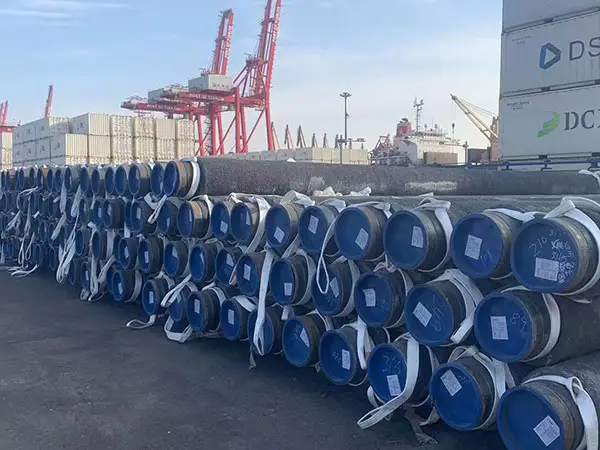
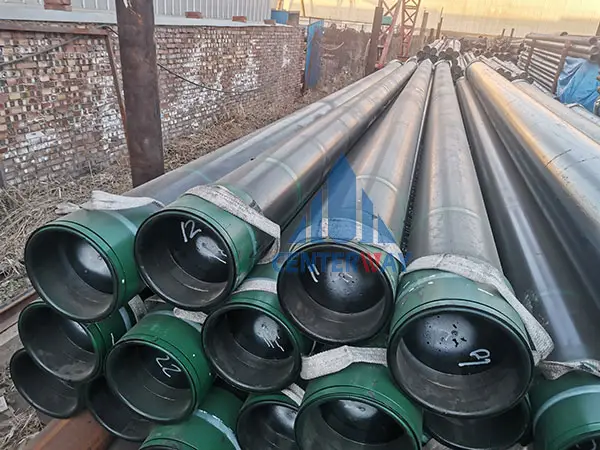
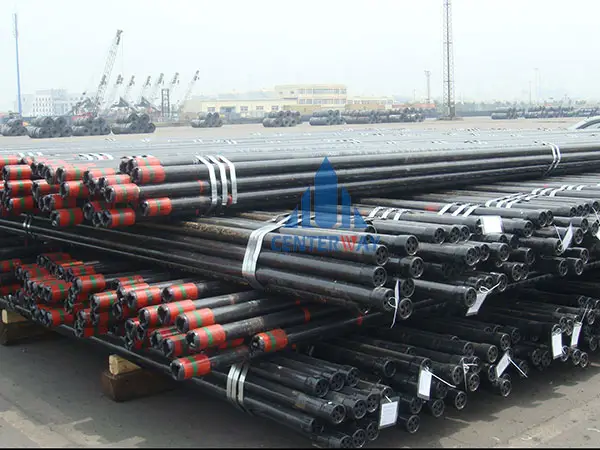
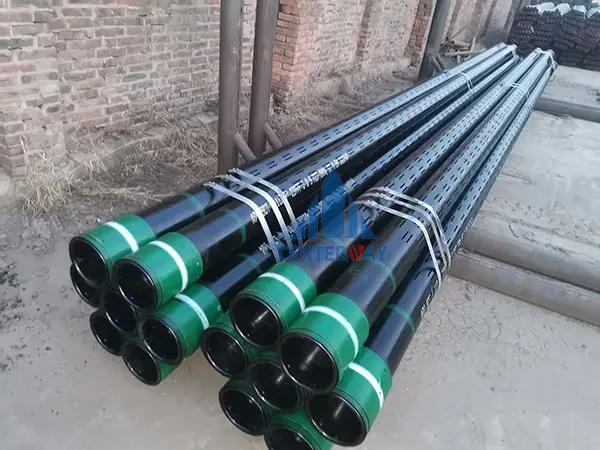
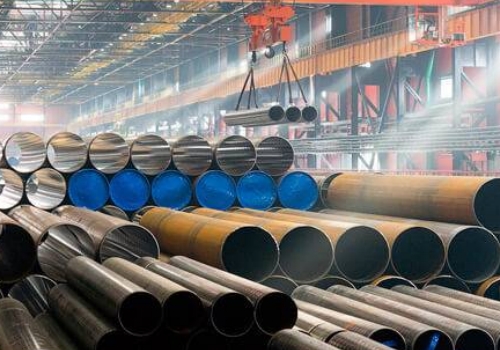
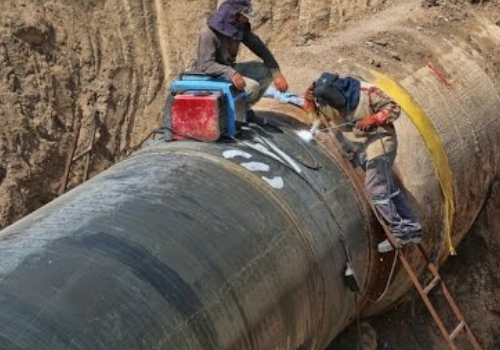
Picking the wrong pipe causes leaks and budget blowouts. You need a reliable material. A carbon steel natural gas pipe offers the perfect mix of strength and safety. A carbon steel natural gas pipe is a tough metal tube made mainly of iron and carbon. Builders use it to move gas safely across long distances. It handles high pressure well and saves money compared to other metals. This makes it the top choice for energy transport.
Are you tired of replacing weak pipes in your systems? Read on to learn how the right steel pipe stops early failures and keeps your project under budget.
You choose it for strength. High pressure ruins weak pipes fast. This leads to danger and high repair costs. Strong carbon steel natural gas pipes stop this problem. You choose a carbon steel natural gas pipe because it handles extreme pressure and resists high heat. It costs less than alloy or stainless steel. The material lasts for decades, which drops your long-term maintenance costs and keeps gas flowing safely.
Let us look closely at why this material beats the rest. I have seen many buyers waste money on fancy alloys when basic carbon steel does the job better. The secret lies in the carbon content. The carbon acts like a muscle. It gives the iron huge strength. Carbon steel brings peace of mind.
· High yield strength: These pipes hold their shape even under massive ground pressure.
· Temperature limits: They work fine from -20 degrees Celsius up to 150 degrees Celsius. We can break down the exact benefits in a simple table.
| Feature | Benefit For Your Project | Real World Result |
|---|---|---|
| High Carbon Limit | Stops pipes from bursting | Zero pressure leaks |
| Short Lead Time | Fast factory production | Keeps projects on schedule |
| Standard Sizing | Easy to match fittings | Fast welding on site |
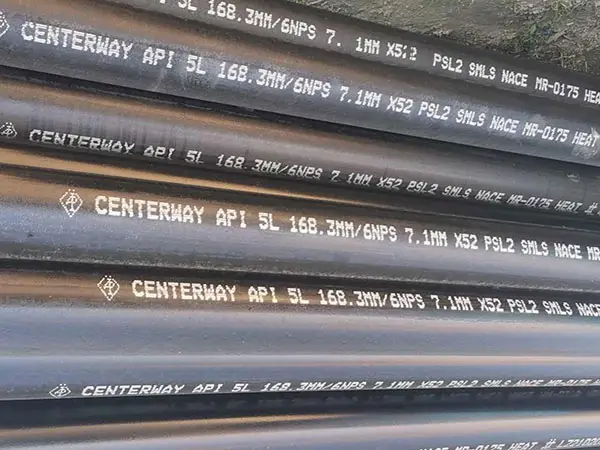
The main standards are API and ASTM. Missing safety codes shuts down your job site. This brings heavy fines. Following standard pipe grades keeps your project legal. The main standards for gas pipes include API 5L, ASTM A53, and ASME B31.8. API 5L covers line pipes for oil and gas. ASTM A53 handles low-pressure setups. ASME B31.8 guides the design and testing of gas transmission systems. When I first started buying pipes 18 years ago, the numbers confused me. Let me make it easy for you. You must match the pipe standard to your exact project need. Using a low-pressure pipe for a high-pressure line causes disasters. Your project safety depends on this paperwork.
· API 5L PSL1: Use this for basic standard quality gas transport.
· API 5L PSL2: Choose this for strict chemical and strength limits (ideal for tough spots).
· ASTM A106: Pick this grade when you deal with high heat gas movement. Here is how you decide what to buy:
| Standard Name | Best Use Case | Risk If Used Wrong |
|---|---|---|
| API 5L | Long distance gas lines | High cost if used for simple water lines |
| ASTM A53 | Local low pressure gas | Bursting under high pressure |
| ASME B31.8 | System design testing | Code violations and safety fines |
We stop it with coatings. Rust eats metal and causes deadly gas leaks. Replacing rusted pipes drains your funds. Adding the right protective coating stops rust completely. We stop corrosion on natural gas pipelines by using special outer coatings and cathodic protection. Factories apply epoxy powder or 3PE covers to block water and dirt. We also send a small electric charge through the pipe to stop chemical rusting.
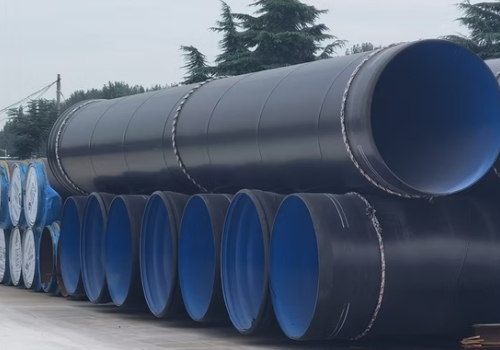
Corrosion acts like a silent killer for pipelines. Soil chemicals, water, and even the gas itself break down raw steel over time. I learned the hard way that skipping the coating phase doubles your maintenance budget within five years. Keep your pipes dry and well coated.
· FBE coating: Fusion Bonded Epoxy acts like a hard paint layer to block dirt.
· 3PE coating: Three-Layer Polyethylene adds plastic armor over the epoxy (the best choice for buried pipes).
· Cathodic protection: An active electrical system stops the natural rusting process underground. Let us compare these protection methods to see what works best for your cash flow.
| Coating Type | Best Environment | Added Lifespan | Cost Level |
|---|---|---|---|
| Bare Steel | Indoors only | None | Very Low |
| FBE | Dry soil | 10 to 15 years | Medium |
| 3PE | Wet or rocky soil | 25 to 50 years | High |
We do it through strict testing. Hidden pipe cracks cause major blowouts after installation. Finding flaws late ruins your reputation. Factory testing catches tiny defects early. You do quality control for steel pipes through chemical tests and non-destructive testing. Workers check the outer size and wall thickness. They use X-rays or sound waves to find hidden cracks inside the steel. This confirms the pipe is safe to use. You can not trust a pipe just by looking at it. The surface might look perfect, but the inside weld could hold a tiny bubble. If that bubble pops under gas pressure, your project fails. Do not accept damaged goods.
· Ultrasonic testing: Uses sound waves to map out hidden cracks inside the metal wall.
· Radiographic testing: Works like a medical X-ray to take pictures of the weld seams.
· Hydrostatic testing: Fills the pipe with water at extreme pressure to see if it leaks. I always demand a full test sheet from my suppliers. If they skip the hydrostatic test, I cancel the order.
| Test Method | What It Finds | Why You Need It |
|---|---|---|
| Chemical Analysis | Wrong metal mix | Ensures proper strength |
| Sound Waves | Deep wall cracks | Prevents sudden bursting |
| Visual Check | Bad cuts or bent tubes | Ensures easy joining |
Buyers ask about lifespan and welding. Unanswered questions slow down your buying process. This hesitation makes you miss deadlines. Direct answers give you the confidence to buy. People often ask about pipe lifespan, welding ease, and custom sizes. Gas pipes last up to 50 years with good coatings. They weld easily using standard tools. You can also order custom lengths and thick walls to fit your exact site needs. My clients ask me the same questions every week. I compiled these answers to save you time. Read through them to clear up any doubts before you finalize your material list. Make your pipeline project a total success.
Q: How long does a coated carbon steel pipe last underground?
A: If you use a 3PE coating and cathodic protection, it easily lasts 40 to 50 years.
Q: Can I use this pipe for sour gas (gas with high sulfur)?
A: Yes, but you must specify API 5L sour service grades. Standard grades will crack.
Q: Does carbon steel weld faster than stainless steel?
A: Yes. Your field crew can weld carbon steel much faster, which saves you daily labor costs. Look at this data comparison for welding times:
| Material | Prep Time | Welding Speed | Labor Cost |
|---|---|---|---|
| Carbon Steel | Low | Fast | Low |
| Stainless Steel | High | Slow | High |
Stop wasting time on bad materials. A carbon steel natural gas pipe brings safety and savings. Contact Centerway Steel today to get your reliable one-stop pipeline supply.