 English
 Español
 Русский
Vision/Value: Pragmatism, Integrity, Passion

Do your systems leak fluid? Bad pipes cause total system failure. You need the right tube to keep your machines running well. You select the right hydraulic seamless pipe by checking the material, size, wall thickness, bend radius, pressure rating, and fluid compatibility. A correct choice stops leaks, keeps pressure steady, and makes your entire system last much longer.
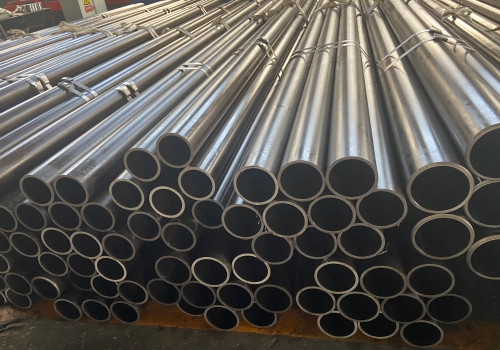
Many buyers buy the wrong pipe and waste a lot of money. Read my advice below to avoid these expensive mistakes and protect your next big project.
Rust eats cheap metal. Weak tubes crack under stress. You must pick a strong material to stop costly repairs. Stainless steel offers the best rust resistance for harsh places. Carbon steel gives you high strength for a lower price. You can use aluminum only for very low-pressure systems because it is light but weak.
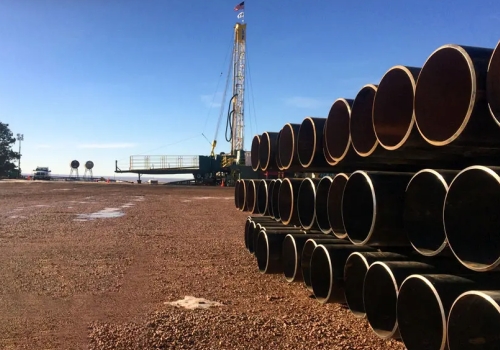
I have 18 years of experience in the construction industry. I source high-quality pipes every day. The material of your hydraulic seamless pipe is your first big choice. You need a strong and durable metal to do the job. Stainless steel is my top choice. It fights rust very well. Carbon steel is also a great choice. It is strong and costs less money. We often coat carbon steel to make it fight rust better. Aluminum is too weak for high pressure. I do not use it for heavy work.
You must look at your work environment first. If you have a lot of water or chemicals, you use stainless steel. If you just need raw strength indoors, carbon steel works well.
| Material | Strength | Rust Resistance | Cost |
|---|---|---|---|
| Stainless Steel | Very High | Excellent | High |
| Carbon Steel | High | Good (with coating) | Low |
| Aluminum | Low | Good | Medium |
Wrong pipe sizes drop your fluid pressure. Thin walls burst fast. You lose hours of work when pipes break. You must match the pipe size to your fluid flow rate. A small pipe drops pressure, and a large pipe causes turbulence. You must pick the wall thickness based on your maximum system pressure and temperature.
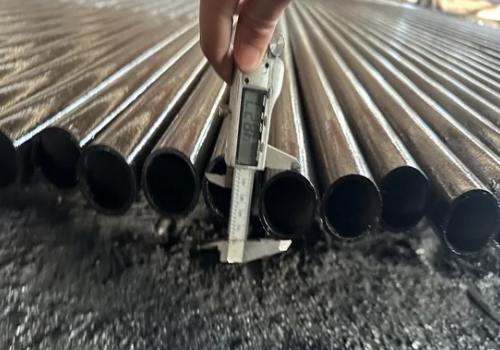
Size matters a lot. I work with CAD tools to map out piping networks. I see many design errors with pipe sizes. If your hydraulic seamless pipe is too small, the fluid slows down. This creates a pressure drop. If the pipe is too big, the fluid moves wildly. This is turbulence. Both problems ruin your system efficiency.
Wall thickness handles the pressure. A thin wall will burst. A thick wall reduces the inside flow area. You must calculate this perfectly. I remember a big water and oil pipeline project we did in Nigeria. The African market is growing fast. The heat and high pressure there are very tough. We supplied heavy-wall carbon steel pipes. Our pipes handled the high temperature easily. We helped the local teams build a safe network. Centerway Steel has rich experience in Africa. We know how to match pipe thickness to extreme conditions.
| Issue | Cause | Result |
|---|---|---|
| Pressure Drop | Pipe too small | Slow system speed |
| Turbulence | Pipe too large | Wasted energy |
| Tube Burst | Wall too thin | Total failure and leaks |
Bending pipes too much creates cracks. Wrong oils eat the metal from the inside. Your system dies quietly. You must follow the minimum bend radius to stop kinks and cracks in the metal. You must also check if the pipe material can safely touch your specific hydraulic fluid without chemical reactions.
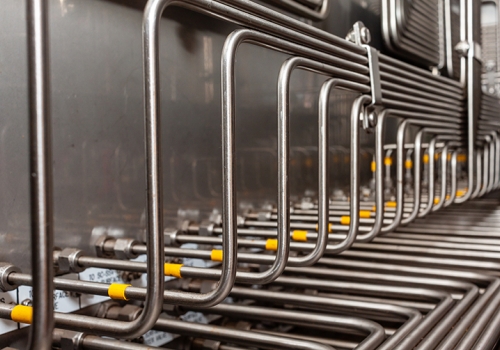
Bending a pipe is hard work. Every metal has a bending limit. We call this the minimum bend radius. If you bend the pipe too tightly, the outside wall gets too thin. The inside wall wrinkles. The pipe will crack under pressure. You must measure the radius carefully.
Hydraulic systems use many fluids. Some systems use mineral oils. Some use synthetic oils. Some use water-based fluids. The fluid touches the inside of the pipe all day. The metal must not react with the fluid. If it reacts, the metal degrades. This causes leaks. Dirt gets into the system. You must read the manufacturer guide.
| Fluid Type | Risk to Metal | Solution |
|---|---|---|
| Mineral Oil | Low risk | Standard carbon steel |
| Synthetic Oil | Medium risk | Check specific alloy |
| Water-based | High rust risk | Stainless steel |
Fake pipes look good but fail fast. You pay a small price now but a huge price later. You need certified quality. You should buy pipes that meet ISO or ASTM standards. These certificates prove the metal is strong. You balance the upfront cost with long-term quality to save money on future repairs. You cannot guess the quality of a metal just by looking at it. You need proof. Industry standards give you this proof. ISO 9001 and ISO 14001 are very important. ASTM tests the metal strength and exact size. I only buy certified pipes. Centerway Steel has ISO, CE, and GOST certificates. International third-party groups like SGS and TUV test our products. We have been a professional supplier since 1996.
Cost is always a big topic. I try to save costs for my company. But cheap pipes are a bad idea. Cheap pipes lack good rust protection. They fail early. High-quality pipes cost more at first. But they save you money for years. You spend less on maintenance. You have less downtime. You do not need to replace them often.
| Standard | Focus Area | Benefit |
|---|---|---|
| ISO 9001 | Quality Control | Reliable production |
| ASTM | Material Properties | Proven strength |
| SGS / TUV | Third-party Test | Unbiased quality check |
Q: Can I use welded pipes instead of a hydraulic seamless pipe?
A: No. Seamless pipes handle high pressure much better than welded pipes. Welded pipes have a weak seam that can burst under hydraulic stress.
Q: How do I know the correct wall thickness for my system?
A: You must check the maximum working pressure of your system. Then, you use a pressure rating chart from the pipe manufacturer to find the safe wall thickness.
Q: Does Centerway Steel supply pipes to the African market?
A: Yes. We have many partners and successful projects across Africa. We supply strong, high-quality pipes that handle hot and tough environments perfectly.
You must check material, size, thickness, and standards to select the right pipe. Good pipes keep your systems safe. Choose a certified supplier to get the best long-term value.