 English
 Español
 Русский
Vision/Value: Pragmatism, Integrity, Passion

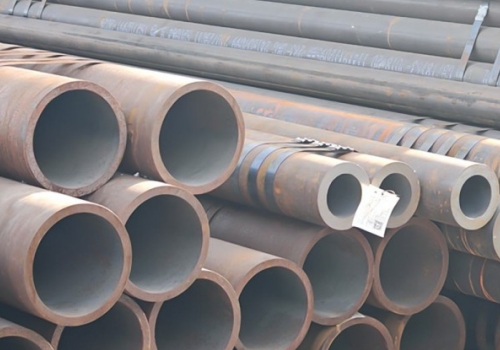
High pressure ruins weak pipes easily. You worry about leaks and safety hazards. We show you how the right pipe handles extreme stress and keeps your team safe. A sch 80 carbon steel pipe is a thick-walled piping standard built for high-pressure systems. It moves fluids and gases safely under extreme conditions. We use this strong pipe widely in power plants, oil refineries, and heavy industrial processing to prevent costly system failures.
Bad materials cause big problems in your daily work. Let us look closer at why this specific pipe solves so many issues.
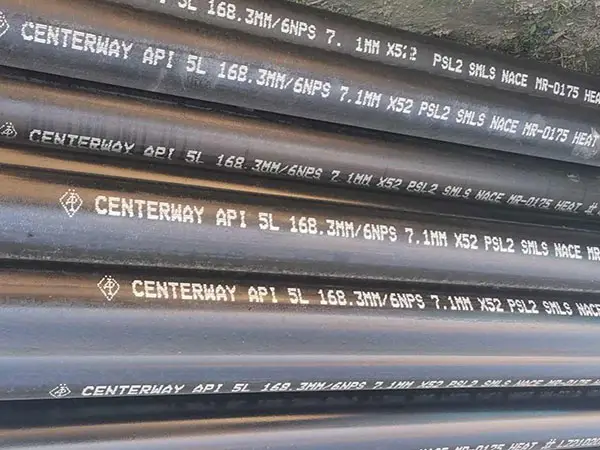
Standard pipes crack under high heat. You need materials that survive tough environments. Here is how we build pipes for ultimate durability and long life. We manufacture sch 80 carbon steel pipe using hot rolling or cold drawing methods. These processes follow strict ASTM A106, ASTM A53, or API 5L standards. This ensures the pipe handles temperatures up to 425°C without losing shape.
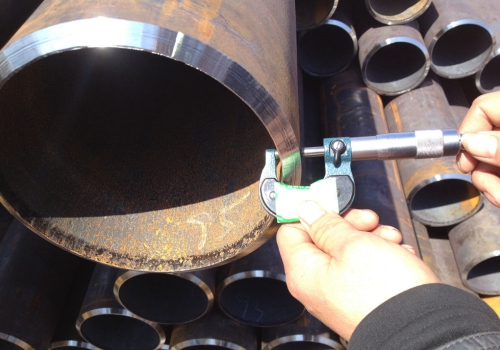
We control every step of the manufacturing process to give you the exact results you need. I remember working on a large water and oil supply project in North Africa. The client needed strong pipes that could handle extreme desert heat, rough handling, and high internal pressure. We supplied them with our premium cold-drawn pipes. The local African contractor saved thousands of dollars because our pipes did not need extra heat treatment on their job site. You can trust that our manufacturing process meets strict global standards. We test every single batch before it leaves our factory to make sure it holds up against time and tough weather. We want you to feel safe when you install our products.
· We pierce the hot center to create a completely seamless tube.
· We roll the hollow tube to reach the exact schedule 80 wall thickness.
· We cool the pipe slowly to keep the metal strong.
· We pull the raw steel through a shaping die at room temperature.
· We use this specific method for smaller pipes (under 1.5 inches).
· We normalize the finished pipe with heat to remove any hidden inner stress.
· We inspect the smooth surface to ensure there are no cracks.
Weak metals rust and break fast. You lose money replacing bad pipes constantly. We control the exact chemical mix to give you maximum lifespan. The secret lies in the precise carbon and manganese blend. This specific chemical makeup gives the pipe high strength, excellent welding ability, and resistance to harsh industrial conditions. You get a product that handles heavy impacts easily. The chemical makeup of a pipe decides exactly how long it will last in your working system. We stick to strict rules for ASTM A106 Grade B. This gives the steel the perfect balance of flexibility and pure strength. Our clients find that this specific mix makes welding very easy and fast. Your team can cut and join these pipes on the job site without buying special tools. This saves you time and keeps your daily installation costs very low. The high strength also means the pipe resists heavy damage from outside forces. You do not have to worry about a dropped tool breaking your pipeline.
· Carbon (maximum 0.30%) gives the pipe its heavy core strength.
· Manganese (0.29% to 1.06%) makes the steel harder and easier to shape.
· Silicon (minimum 0.10%) acts as a cleaner during the melting stage.
· Sulfur and phosphorus (maximum 0.035%) stay very low to stop the metal from becoming brittle.
· Trace elements like copper and nickel (maximum 1%) add extra rust protection.
| Element | Percentage | Purpose |
|---|---|---|
| Carbon (C) | <= 0.30% | Adds basic physical strength |
| Manganese (Mn) | 0.29 - 1.06% | Improves total hardness |
| Silicon (Si) | >= 0.10% | Cleans the melted metal |
| Phosphorus (P) | <= 0.035% | Must stay low for safety |
Guessing pipe sizes leads to major leaks. You need exact numbers to match your current system. We provide clear size and pressure data below. The nominal pipe size and schedule determine the exact outside diameter and wall thickness. A higher schedule means a thicker wall. This thick wall directly increases the maximum allowable working pressure of your pipeline.
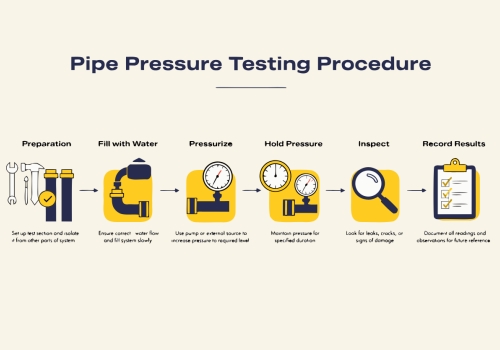
You must match the pipe dimensions to your exact project needs. We provide pipes starting from 1/8 inch all the way up to 24 inches. The wall thickness grows as the pipe gets wider. This ensures the pipe can hold the exact same pressure at any size. We test all our pipes before we ship them directly to you. You get full peace of mind knowing the pipe will not burst under normal working conditions. We check the weight and size tolerances so they fit perfectly into your existing pipeline joints.
· A 2-inch pipe has a wall thickness of 0.218 inches (5.54 mm).
· A 6-inch pipe has a wall thickness of 0.432 inches (10.97 mm).
· A 10-inch pipe weighs about 64.43 pounds per foot.
· A 12-inch pipe has a wall thickness of 0.688 inches (17.48 mm).
· A 1/2-inch pipe holds up to 8,575 psi (59,125 kPa).
· A 2-inch pipe holds up to 4,498 psi (31,014 kPa).
· A 6-inch pipe holds up to 3,195 psi (22,030 kPa).
· A 12-inch pipe holds up to 2,644 psi (18,230 kPa).
| Size (inches) | Outside Diameter (mm) | Wall Thickness (mm) | Max Pressure (psi) |
|---|---|---|---|
| 2 | 60.3 | 5.54 | 4,498 |
| 6 | 168.3 | 10.97 | 3,195 |
| 8 | 219.1 | 12.70 | 2,841 |
| 12 | 323.8 | 17.48 | 2,644 |
The wrong pipe choice stops production lines completely. You must match the pipe to the heavy job. We share common industries that rely on this thick pipe. You should use these heavy pipes in industrial processing, high-pressure steam systems, oil and gas lines, and chemical plants. They handle corrosive media and heavy mechanical stress perfectly. They also work great for large water systems. We see these pipes used in the most demanding industries across the entire world. A few years ago, we partnered with a major oil and gas company in West Africa. They needed a highly reliable pipeline to move unrefined oil across rough, hot terrain. We shipped them our schedule 80 pipes, and the whole system runs perfectly today. These thick pipes excel in places where pressure spikes happen very often. You do not want a thin pipe when dealing with boiling water or toxic chemicals. The extra metal thickness acts as a heavy safety shield. It gives your maintenance team much more time to spot wear and tear before a massive leak happens. We always recommend this schedule for high-risk work zones.
· Oil and gas fields use them for deep drilling rigs and busy refineries.
· Power plants use them for steam heating and heavy water supply lines.
· Chemical plants use them to move hot, highly corrosive liquids safely.
· Heavy manufacturing plants use them for heavy machine parts and hydraulics.
· City builders use them for underground utility lines that cross under roads.
Buying pipes brings up many confusing questions. You do not want to make a costly mistake. We answer your most common concerns right here. Our answers will help you choose between schedule 40 and schedule 80 options. We also show you how to check quality standards and find the right supplier for your exact needs. Read these answers before you place an order. Customers ask us many questions before they buy steel products. We want you to feel fully confident in your final choice. Finding a true one-stop integrated sourcing supplier takes time, and we want to make that process easy for you. Here are the top questions we get from project managers every week.
A: Neither is better. You just need to find the right fit for your budget and safety needs. Schedule 40 works well for low-pressure jobs like basic building plumbing or air lines. Schedule 80 is thicker, heavier, and stronger. You need it for high-pressure steam, chemical processing, and places where the pipe might get hit by machines.
A: You should only work with a trusted steel pipe supplier who has years of history. When you ask for a quote, tell them you need ASTM A106 or ASTM A53 standards. Always ask for a Material Test Certificate (MTC). This paper proves that the chemical mix and physical strength match the global rules.
A: Yes, we do. We have rich experience sending large pipe orders to ports across Africa, the Middle East, and Europe. We handle all the hard shipping details for you, so your pipes arrive on time and ready to use.
We hope this guide helps you understand the sch 80 carbon steel pipe better. Contact Centerway Steel today to get a fast quote and reliable pipes for your next project.