 English
 Español
 Русский
Vision/Value: Pragmatism, Integrity, Passion

High-pressure pipes burst and projects fail. You lose money and time. A thick-walled seamless steel pipe solves this problem for your demanding construction needs. A thick-walled seamless steel pipe is a steel tube with a large wall thickness and no weld seams. It handles extreme pressure, high temperatures, and harsh conditions. This pipe is essential for construction, oil, and gas projects where safety and durability are your top priorities.
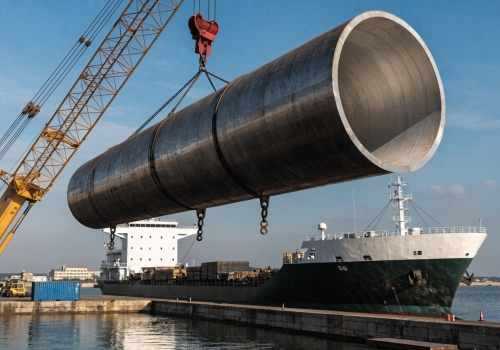
Choosing the wrong pipeline material can easily destroy your entire construction project. I will show you how the right pipe keeps your systems running safely for decades.
Weak pipes break under stress. This causes huge project delays. We use strict hot finish methods to make sure every pipe stays strong. We produce a thick-walled seamless steel pipe using a hot finish process. We heat a solid steel billet, pierce it into a hollow tube, and roll it at high temperatures. This method creates a strong, uniform pipe without any weak points.
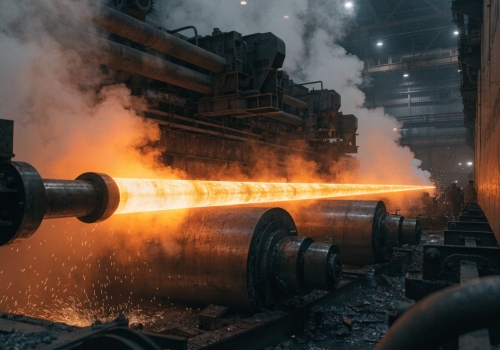
We cannot use the cold finish method for pipes with such thick walls. We must use the hot finish method. First, we select a high-quality solid steel billet. We clean the billet to remove impurities. Then, we heat the billet evenly. This avoids any temperature differences inside the steel. Next, we pierce the heated billet to make it hollow. We use a hot rolling mill to stretch the billet. This step reduces the wall thickness to the exact size we need.
After rolling, we apply heat treatments like normalizing or annealing. This improves the toughness of the pipe. Finally, we inspect the pipe carefully. We test the dimensions, check the surface, and use ultrasonic testing to find hidden flaws. I recently supplied a large batch of these pipes to an EPC contractor in Africa. They needed reliable pipes for a major city water network. Our one-stop service and strict testing helped them finish the project on time. We made sure every pipe met their exact design needs.
| Manufacturing Step | Purpose |
|---|---|
| Billet Heating | Makes the steel soft for shaping |
| Boring and Rolling | Forms the hollow tube and sets the thickness |
| Heat Treatment | Improves the strength and toughness |
| Quality Inspection | Ensures the pipe meets all safety standards |
Using pipes that fail international standards is dangerous. Your project will not pass inspection. We follow strict global standards to keep your projects safe. These pipes must meet strict standards like ASTM A106, API 5L, and EN 10216. These rules test the pipe for pressure, heat resistance, and structural strength. Following these standards ensures the pipe works perfectly in high-stress environments.
Different industries require different standards. For high-temperature work, we use ASTM A106. For oil and gas pipelines, we use API 5L. For structural building needs, we follow EN 10210. These standards tell us exactly how strong the pipe must be. They also define the chemical makeup of the steel.
Many standards overlap in their testing. For example, API 5L and ASTM A53 often share similar test results. You can sometimes use them interchangeably. As a purchasing manager, you need to know which standard fits your budget. Our factory holds ISO 9001 and CE certifications. I recently helped a client in North Africa choose the right API 5L pipes for an oil refinery expansion. They needed heavy thickness pipes to handle high underground pressure. By matching their design to the right standard, we saved them time and sourcing costs.
| Standard | Main Application |
|---|---|
| ASTM A106 | High-temperature service |
| API 5L | Pipeline transportation for oil and gas |
| EN 10210 | Thermoformed structures for building |
| ASTM A333 | Low-temperature service |
Buying cheap pipes leads to early replacements. You spend more money later. Understanding the benefits and limits helps you make smart buying choices. The main advantage is unmatched strength and pressure resistance because there is no weld seam. They also resist corrosion and high heat. The disadvantages include a higher initial cost, heavy weight for transport, and longer production times for custom sizes.
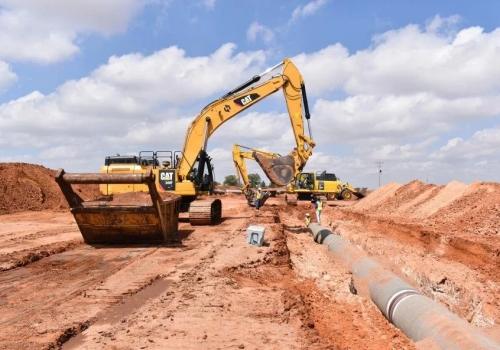
A thick-walled seamless steel pipe does not have a weld seam. The weld seam is usually the weakest part of a pipe. Without it, the pipe can handle extreme pressure. We can make the wall thickness up to 100mm. Welded pipes cannot reach this thickness safely. These pipes also resist harsh acids and high temperatures. They keep their strength in the worst conditions.
These pipes cost more to make. They are also very heavy. This heavy weight makes shipping and installation much harder. Custom sizes take a longer time to produce. I always help my clients plan for these challenges. Last year, we shipped a custom order of these heavy pipes to a port project in West Africa. We organized the logistics and managed the shipping weights. The upfront cost was higher. But the EPC company will save a lot of money on maintenance for the next thirty years.
| Feature | Thick-Walled Seamless Pipe | Welded Pipe |
|---|---|---|
| Strength | Very High | Medium |
| Weld Seam | None | Yes |
| Cost | Higher | Lower |
| Max Thickness | Up to 100mm | Limited |
Finding the right pipe for heavy industry is hard. A weak pipe will stop your plant. These strong pipes fit perfectly into extreme environments. We use these pipes in oil extraction, chemical plants, and heavy construction. They are perfect for high-pressure hydraulic systems, boiler pipes, and offshore platforms. Their high load-bearing capacity makes them the best choice for bridges and large support frames.
These pipes work best where failure is not an option. In the oil and gas industry, we use them as oil well tubing. They handle the massive pressure deep underground. In power plants, we use them for steam piping. They carry very hot steam safely. Chemical plants use them to move dangerous liquids.
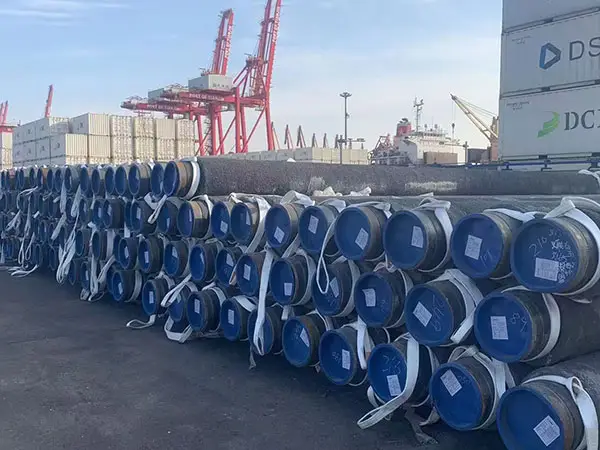
In the construction industry, you need materials that support heavy loads. We supply these pipes for building bridges, large machinery frames, and high-rise pillars. They offer great stability. We have strong experience supplying EPC companies. I worked with a contractor building an offshore platform in East Africa. They needed a thick-walled seamless steel pipe that could fight ocean corrosion and support heavy equipment. We delivered the exact pipes they needed directly from our stock. This one-stop service saved them from dealing with multiple suppliers.
| Industry | Specific Use Case |
|---|---|
| Oil & Gas | Underground extraction tubing |
| Energy | Boiler and steam piping |
| Construction | Bridge supports and building pillars |
| Marine | Shipbuilding and offshore platforms |
Thick-walled seamless steel pipes offer unmatched strength for high-pressure projects. As your one-stop supplier, Centerway Steel provides high-quality pipes to make your global construction projects succeed.