 English
 Español
 Русский
Vision/Value: Pragmatism, Integrity, Passion

Are you struggling to find the right pipes for high-pressure systems? Choosing the wrong material causes costly leaks. Let me show you a better option today. What is seamless carbon steel pipe used for? It safely transports fluids, gases, and steam under high pressure. You will find these strong, weld-free pipes in oil refineries, power plants, chemical factories, and heavy construction projects around the world.
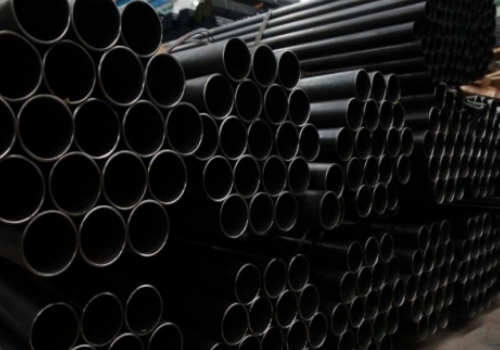
You might wonder why so many EPC contractors choose this specific type of pipe for their toughest jobs. Read on to discover the exact reasons, and you will not want to miss the key standards that can save your next project.
Confused by the many steel grades available? Picking the wrong standard ruins your project timeline. We can clear up this confusion right now. Carbon steel pipes come in low, medium, and high carbon types. The standard you need depends on your project. ASTM A106 handles high heat well. ASTM A53 works best for basic structural needs and simple fluid transport.
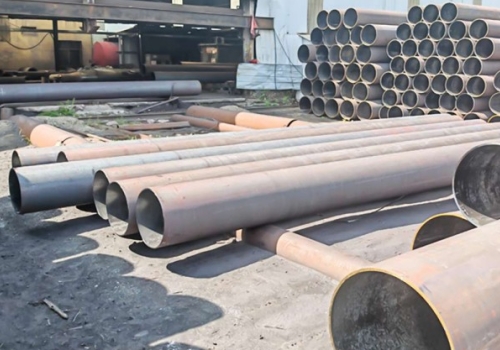
To fully answer what is seamless carbon steel pipe used for, you must first look at the carbon content. The amount of carbon changes the strength and flexibility of the pipe. Low carbon steel has 0.04% to 0.30% carbon. It is easy to weld and bend. Medium carbon steel has 0.30% to 0.60% carbon. It offers higher strength. High carbon steel has 0.60% to 2.00% carbon. It is very hard but difficult to weld.
In my many years of working with EPC contractors, I always tell them to match the standard to the job. Here is a quick table of the most common specifications we supply at Centerway Steel.
| Standard | Size Range (mm) | Main Application |
|---|---|---|
| ASTM A53 | 0.3 - 1200 | General structural and fluid transport |
| ASTM A106 | 10.3 - 1200 | High-temperature services |
| ASTM A333 | 1/4" - 42" | Low-temperature services |
| ASTM A192 | 10.3 - 426 | High-pressure boiler tubes |
Do your pipes fail under heavy loads or bad weather? This causes big delays and safety risks. Seamless carbon steel pipes offer the exact strength you need. Industries benefit from these pipes because they have no weak weld seams. They handle extreme pressure well. What is seamless carbon steel pipe used for? It supports oil pipelines, boiler tubes, chemical reactors, and large buildings.
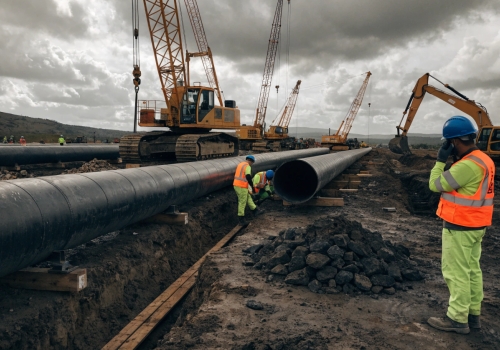
When we ask what is seamless carbon steel pipe used for, we must look at extreme conditions. These pipes have no seams. This means they do not crack easily under pressure. The oil and gas industry relies on them heavily. They move toxic or highly flammable fluids safely across long distances.
I recently worked with a large EPC company on a major refinery project in Turkey. They needed reliable pipes to transport hot oil. They faced a tight deadline. They also needed materials that could handle high thermal stress. We supplied over 5,000 tons of ASTM A106 seamless pipes. Our mature project experience helped them finish the pipeline installation two weeks early. They saved money and avoided system failures.
Here is a breakdown of how different sectors use these products:
| Industry | Main Application | Key Benefit |
|---|---|---|
| Oil & Gas | Pipelines and rigs | Handles high internal pressure |
| Construction | Bridges and high-rises | Strong structural support |
| Chemical | Reactors and tanks | Resists high temperatures |
| Automotive | Exhausts and frames | Tough and wear-resistant |
Are you worried about pipe bursts at the seams? Welded pipes often fail at the joint under high stress. Seamless pipes remove this worry completely. You should choose seamless pipes because they lack a welded joint. This makes them much stronger than welded pipes. They offer better corrosion resistance and handle much higher pressure. This makes them perfect for your critical applications.
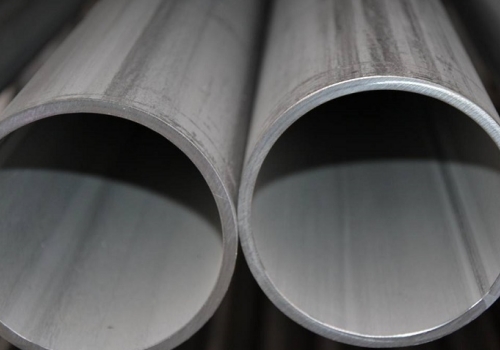
Many buyers ask me about the real difference between these two options. A welded pipe starts as a flat sheet. It is rolled and welded together. This weld creates a weak point. A seamless pipe starts as a solid steel block. We push a rod through the hot steel to make a hollow tube. This process gives the pipe equal strength all the way around.
Seamless pipes cost more to make. However, they last much longer in harsh environments. When you calculate the long-term cost, seamless pipes often win. You spend less on repairs and replacements.
Let us compare them clearly in the table below:
| Feature | Seamless Pipe | Welded Pipe |
|---|---|---|
| Pipe Strength | Equal strength, no weak points | Weakness at the weld seam |
| Pressure Rating | Very high | Moderate |
| Production Cost | Higher | Lower |
| Best Use Case | High-pressure and high-heat systems | Low-pressure water and gas transport |
Seamless carbon steel pipes provide unmatched strength for high-pressure systems. By choosing the right standards, you ensure safe, cost-effective, and long-lasting pipelines for your toughest industrial projects.