 English
 Español
 Русский
Vision/Value: Pragmatism, Integrity, Passion

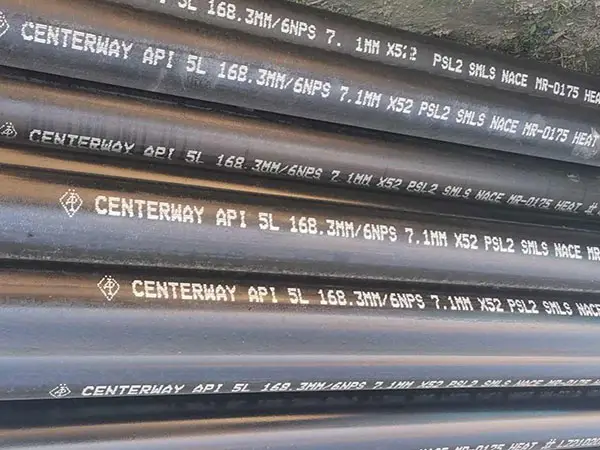
You need strong pipes for big projects. Weak pipes burst and cost you money. I will show you how these pipes solve this problem safely. The API 5L specification for line pipe is a standard by the American Petroleum Institute. It sets the rules for making steel pipes. You use these pipes to move oil, gas, and water. This standard makes sure the pipes are strong and handle high pressure.
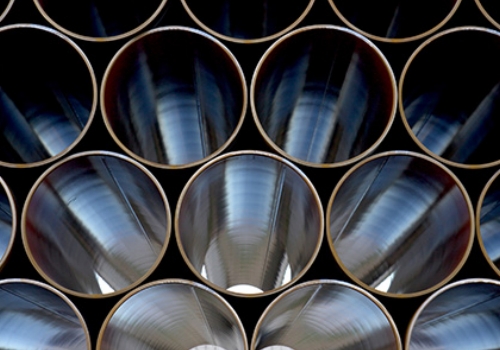
You want to stop pipe failures. I will share the exact details about these pipes. You must read on to pick the exact right pipe for your next job.
Choosing the wrong pipe level causes leaks. You waste time fixing broken lines. I will explain the two main product levels to keep your project safe. PSL1 is the basic standard for simple uses. PSL2 offers higher quality. PSL2 has stricter limits on chemicals and stronger tests. You must use PSL2 for high-pressure and harsh environments to stop cracks.
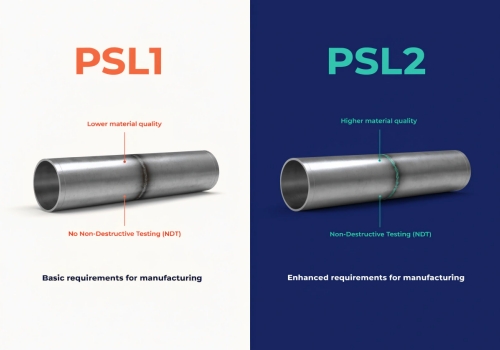
I see many buyers choose PSL1 for simple jobs. PSL1 provides a basic chemical mix. The factory limits carbon and sulfur. These pipes work well for low-pressure water lines. You do not need extra impact tests for PSL1. The factory just makes sure the pipe meets basic strength rules. I recommend PSL1 when you have a small budget. PSL1 works fine for low-risk projects.
I always advise buyers to use PSL2 for dangerous jobs. PSL2 has strict rules. The factory controls the chemicals tightly. The factory tests the pipe for toughness. Workers hit the pipe to see if it breaks. This is the Charpy V-Notch test. PSL2 pipes handle high pressure and cold weather. You get better strength and safety. I know you want to save money. But you must not risk your pipeline. The extra cost of PSL2 protects your entire project.
I sell both types at Centerway Steel. I ask my clients about their project pressure first. If you pump natural gas, you must buy PSL2. The extra tests stop big disasters. I made a table to show the clear differences. You can see why PSL2 delivers better peace of mind.
| Feature | PSL1 | PSL2 |
|---|---|---|
| Carbon Limit | Basic | Strict |
| Impact Test | No | Yes |
| Best Use | Water, low pressure | Gas, high pressure |
| Cost | Low | Higher |
You might buy pipes with weak seams. Bad manufacturing ruins the whole pipeline. I will help you understand how factories build these strong steel pipes. Factories make these pipes in three main ways. They make seamless pipes from solid steel blocks. They weld ERW pipes from steel coils using electric currents. They weld DSAW pipes on both the inside and outside.
I supply seamless pipes for high-stress areas. The factory heats a solid steel block. A machine pushes a rod through the hot metal. This makes a hollow tube. Seamless pipes have no weak joints. You can trust them in extreme pressure. But they cost more money. They also take more time to make. I suggest seamless pipes for your most critical systems.
I provide welded pipes for large projects. ERW pipes start as flat steel rolls. A machine curls the steel into a circle. An electric current melts the edges together. This method is fast and cheap. DSAW pipes work for very large diameters. The factory welds the inside and the outside. This double weld makes a very strong seam. You can pump massive amounts of fluid through DSAW pipes.
You must match the pipe to your job. I help buyers pick the right size. Seamless pipes stop at 36 inches. DSAW pipes go up to 48 inches. ERW pipes are great for standard lines up to 24 inches. I always check the project size before I suggest a manufacturing method. The table below shows the size limits for each type.
| Pipe Type | Manufacturing Method | Max Size |
|---|---|---|
| Seamless | Hot piercing a solid block | 36 inches |
| ERW | Electric current welding | 24 inches |
| DSAW | Double submerged arc welding | 48 inches |
Guessing pipe strength is dangerous. Your pipeline will break under heavy stress. I will guide you through the exact grades and tests that prove pipe strength. The grades show the minimum yield strength of the pipe. Grade X42 means 42,000 psi. Factories run impact tests and water pressure tests. These tests prove the pipe has no hidden flaws before you install it.
I use grades to tell you how strong a pipe is. The grade matches the yield strength. Grade B is basic. Grade X42 handles 42,000 psi of stress. Grade X70 handles 70,000 psi. You must buy higher grades for high-pressure gas lines. Higher grades let you use thinner walls. Thinner walls save you weight and money. I always check the project blueprints to find the exact grade you need.
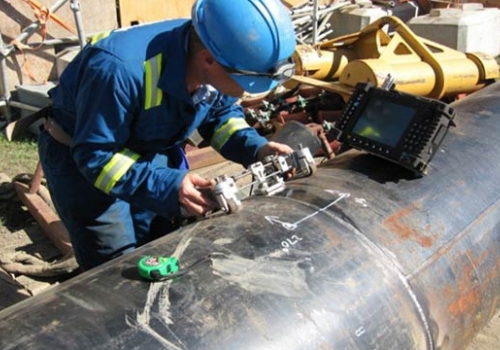
I make sure factories test every single pipe. Workers use water to test pressure. This is a hydrostatic test. The pipe must not leak under high water pressure. Workers also use X-rays. Radiographic testing looks inside the solid metal. The X-ray finds hidden cracks. Ultrasonic testing uses sound waves to check the weld. You get a perfect pipe when it passes these tests. I refuse to ship any pipe that fails these simple tests.
I prepared a table to show the common grades. You can read the exact numbers. Centerway Steel delivers all these grades to your site. You just need to tell me your required strength. I will handle the rest.
| Pipe Grade | Minimum Yield Strength | Common Use |
|---|---|---|
| Grade B | 35,000 psi | Standard lines |
| Grade X42 | 42,000 psi | Medium pressure |
| Grade X52 | 52,000 psi | High pressure |
| Grade X70 | 70,000 psi | Extreme pressure |
I shared the core details of these steel pipes. You can now choose the right materials for your projects. I invite you to trust Centerway Steel for your pipeline needs.