 English
 Español
 Русский
Vision/Value: Pragmatism, Integrity, Passion

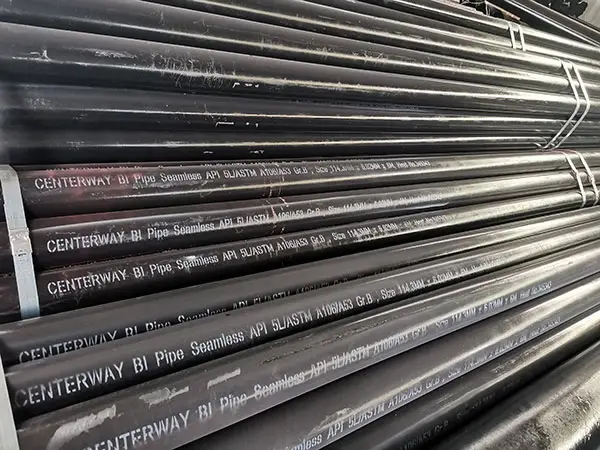
High heat ruins weak pipes. System failures cost you money and time. You need strong materials. I will show you how this specific pipe solves your high-heat problems. An a106 carbon steel pipe is a seamless tube built for high-temperature and high-pressure jobs. It has no weld seams. This makes it very strong. Power plants and oil refineries use it widely to transport hot liquids and gases safely without breaking.
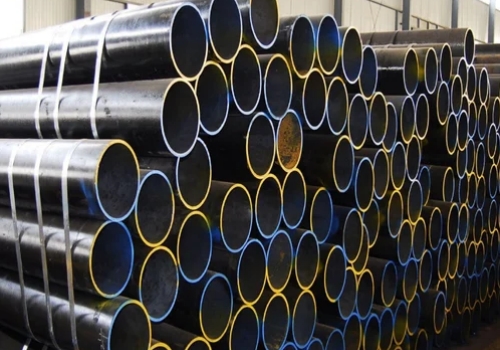
You might wonder if this pipe fits your next big project. Let us look closely at its grades, properties, and real uses to help you choose perfectly.
Choosing the wrong grade causes pipe leaks. Leaks ruin your whole project. You must pick the exact right grade to keep your system safe and working. This pipe comes in three grades: Grade A, Grade B, and Grade C. They have different carbon levels. Grade B is the most common choice. Grade C has the most carbon and is the strongest for extreme pressure needs.
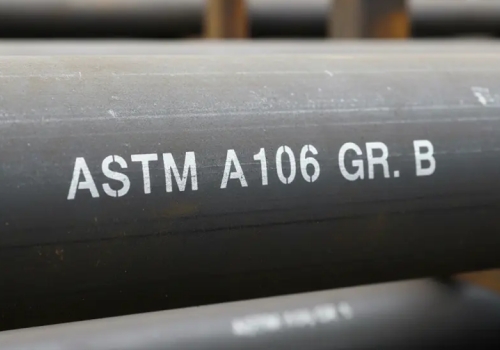
Each grade has a specific chemical makeup. Carbon gives the pipe its physical strength. Manganese helps with metal toughness. Silicon helps the pipe resist high heat. You need to know these numbers.
| Element | Grade A | Grade B | Grade C |
|---|---|---|---|
| Carbon Max | 0.25% | 0.30% | 0.35% |
| Manganese | 0.27% - 0.93% | 0.29% - 1.06% | 0.29% - 1.06% |
| Silicon | 0.10% min | 0.10% min | 0.10% min |
I work with many buyers to find the best pipe. Last year, an EPC company needed strong pipes for an oil refinery in Nigeria, Africa. The heat in the refinery was very high. The local weather conditions were tough. The buyer asked me for advice. I looked at their plans carefully. I told them to use Grade B. Grade B has a great balance of strength and easy welding. We made the pipes at our factory. We sent them to Africa safely. The delivery was fast. The project went very well. The pipeline works perfectly today. This shows why picking the right grade matters so much. We have mature experience landing big projects globally. We give you reliable one-stop service.
Mixing up pipe standards is very easy. Using the wrong standard causes huge safety hazards. I will explain the clear differences so you avoid costly mistakes. A106 is only for high heat and pressure. A53 is for low pressure like normal water and gas lines. A105 is not a pipe at all. A105 is forged steel used only to make pipe fittings and flanges.
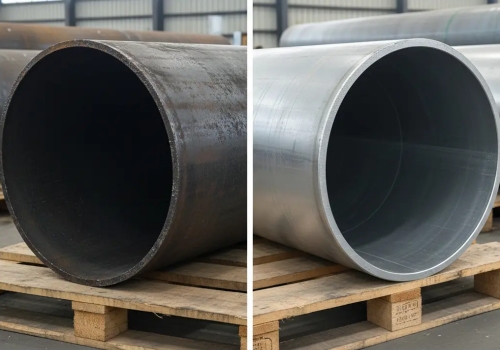
Many people confuse these two common standards. A53 pipe can have a welded seam. You can buy seamless A53. But it is still for basic uses. You use A53 to move cold water or air. You use an a106 carbon steel pipe when the liquid is very hot. The silicon in A106 gives it high heat resistance. A53 does not have this special silicon rule. A106 also has a higher strength limit. A53 is cheaper. You should never use A53 to save money on a high-heat project.
The numbers look very similar. The actual products are completely different. A106 makes the long straight pipe. A105 makes the parts that connect the pipes. A105 parts are forged. Forged means workers press the hot steel into shape. They do not roll it like a pipe. A105 has more carbon than A106 Grade A and Grade B.
When I build a supply list for a power plant, I use both standards. I write down A106 for the main gas lines. I write down A105 for the flanges. Flanges bolt the lines together. You need both products to finish a pipeline system safely.
Weak pipes burst under heavy loads. A burst pipe stops all your work instantly. You need pipes with proven physical strength to keep everything running safely. The physical strength changes with each grade. Grade A has a yield strength of 30,000 psi. Grade B has 35,000 psi. Grade C reaches 40,000 psi. Higher carbon makes Grade C the strongest but the hardest to bend.
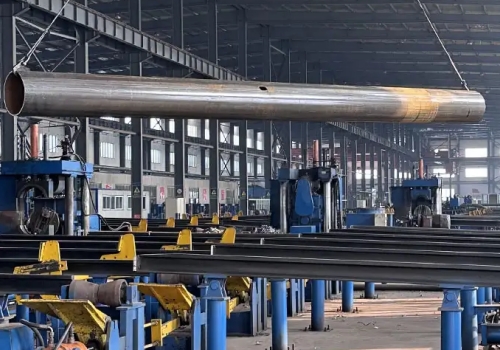
Yield strength tells you how much pressure the pipe can take before it bends forever. Tensile strength tells you how much pulling force breaks the pipe completely. You must check these numbers before you buy anything.
| Property | Grade A | Grade B | Grade C |
|---|---|---|---|
| Yield Strength | 30,000 psi | 35,000 psi | 40,000 psi |
| Tensile Strength | 48,000 psi | 60,000 psi | 70,000 psi |
| Best Use | Easy bending | Normal use | Extreme strength |
The standard covers sizes from 1/8 inch to 48 inches wide. The wall thickness follows standard rules like ANSI B 36.10. You will often see Schedule 40 or Schedule 80 thicknesses. The outside size can only change by one percent. The wall thickness cannot drop more than 12.5 percent below the normal size.
I always check these test results before sending pipes to my buyers. A small mistake in thickness can cause big trouble later. We have a strict quality check team at our factory. We test the pulling strength of every batch. We also hold ISO and CE certificates. This makes sure your project stays completely safe.
An a106 carbon steel pipe handles extreme heat safely. Choosing the proper grade protects your whole project. I hope this guide helps you buy the exact right pipe today.