 English
 Español
 Русский
Vision/Value: Pragmatism, Integrity, Passion

Are you worried about pipe failure in your high-pressure and high-temperature systems? A single leak can cause massive financial losses and stop your project for weeks. You need a piping solution that can stand up to the most punishing conditions without cracking under pressure.
An alloy seamless steel pipe is a solid metal tube made by hot rolling or cold drawing without any weld seams. It contains added elements like chromium and molybdenum to provide superior strength, high temperature resistance up to 600°C, and excellent corrosion resistance.
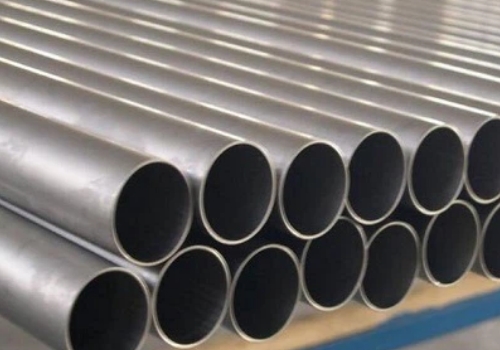
I understand how hard it is to find a single supplier who can deliver high-quality, heavy-wall pipes that meet international standards. Last year, I worked closely with a major client on a massive oil refinery expansion project in Nigeria. The local engineering team faced extreme heat and highly corrosive fluids, and they could not risk using standard carbon steel or welded options. I stepped in with our complete package of heavy-thickness seamless tubes and valves, which kept their timeline perfectly on track. Let me break down exactly why this specific material is the ultimate game-changer for your next big project.
Are you willing to risk your entire pipeline project on a single welded joint? Welded pipes have a natural structural weak point along the seam that loses up to 20% of its strength under extreme stress. This structural vulnerability makes them highly dangerous for high-pressure chemical processing or deep-well oil drilling.
An alloy seamless steel pipe eliminates the risk of seam failure because it is manufactured as one solid piece through perforation and rolling. This continuous metal structure allows the pipe to handle maximum hydraulic pressure, intense tension, and heavy torque loads without any risk of leakage.
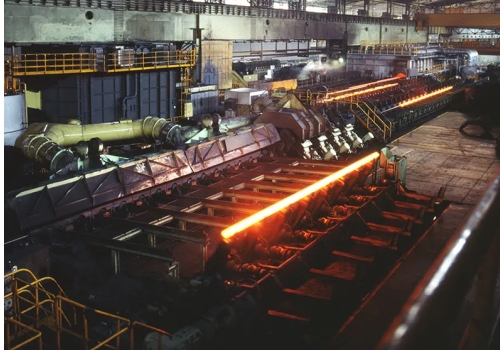
When a pipe has a weld line, that specific area undergoes intense heat during production. This heat changes the grain structure of the metal and makes it more prone to localized corrosion and stress cracks. In our 30 years of manufacturing experience since 1996, we have seen many engineering teams switch to seamless options after experiencing costly field failures with welded tubes.
To help you make the best decision for your budget and safety requirements, I have broken down the precise technical differences between these two types of pipes below.
| Performance Metric | Welded Alloy Steel Pipe | Alloy Seamless Steel Pipe |
|---|---|---|
| Weld Seam Weakness | Contains a seam; reduces strength by 10% to 20% | Zero seams; continuous solid metal structure |
| Pressure Capacity | Limited to low and medium pressure systems | Perfect for extreme high-pressure (>10MPa) environments |
| Production Cost | Lower production cost; highly economical | Higher cost due to complex rolling and drawing |
| Best Application | General building structures and low-risk lines | Oil exploration, power plants, and chemical reactors |
While welded pipes work well for standard building construction where pressure is low, they cannot handle critical infrastructure. If your project involves temperatures above 350°C or highly acidic fluids, you must choose a seamless option to protect your site and your team.
Are you confused by the massive list of steel grades and technical specifications available in the market today? Selecting the wrong chemical composition can lead to rapid oxidation, hydrogen embrittlement, or sudden pipe failure under high heat. You cannot afford to guess when choosing materials for critical infrastructure like power station boilers or chemical transport lines.
Different grades of alloy seamless steel pipe rely on specific chemical additives like chromium for rust prevention, molybdenum for high-temperature strength, and nickel for extreme low-temperature toughness. Matching the exact grade to your environmental factors ensures your pipeline system operates safely for decades.
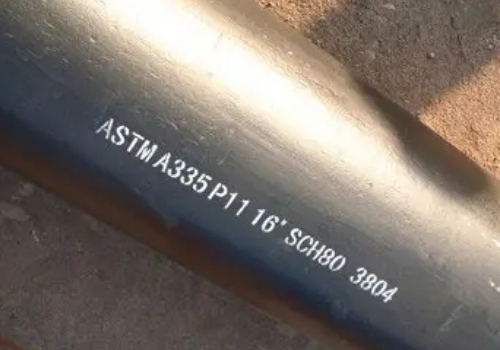
We add specific alloying elements to standard carbon steel to change its physical properties. Chromium forms a self-healing oxide layer on the surface to stop acid attacks. Molybdenum keeps the steel from softening when it glows red-hot in a boiler. Nickel keeps the metal ductile so it does not shatter like glass in freezing environments down to -196°C.
Every industrial project has unique demands. The table below outlines the three major categories of alloy metals we produce and where they work best.
| Alloy Series | Common Steel Grades | Key Performance Benefits | Typical Industrial Uses |
|---|---|---|---|
| Chromium-Molybdenum | 15CrMo, 12Cr1MoV, P91, P92 | Resists high temperatures up to 600°C and prevents hydrogen corrosion | Supercritical power plant boilers, refinery hydrocracking units |
| Stainless Steel | 304 (06Cr19Ni10), 316L | High resistance to acids, alkalis, and aggressive seawater pitting | Food processing, marine pipelines, chemical transport systems |
| Nickel-Based Alloy | Inconel 625 | Extreme heat resistance up to 1100°C and high mechanical strength | Aerospace engines, nuclear fuel transport, offshore drilling |
Our team has extensive experience delivering these exact material grades to major energy companies across the globe. For instance, we recently managed a large-scale supply contract for an oil transportation network in Africa. The project required strict adherence to API 5CT standards and high-strength casing pipes to handle shifting ground pressures. By supplying certified, third-party inspected seamless tubes, we helped the client eliminate pipeline downtime and established Centerway Steel as a trusted regional partner.
Choosing the right alloy seamless steel pipe requires balancing your pressure needs, operating temperatures, and chemical exposure against your project budget.