 English
 Español
 Русский
Vision/Value: Pragmatism, Integrity, Passion

Are you tired of worrying about pipe failures in your high-pressure and high-temperature systems? A single cracked pipe can shut down your entire factory, cost you thousands of dollars, and delay your project schedule for weeks.
I know how difficult it is to find a reliable one-stop pipeline supplier. This guide helps you understand the ASME SA335 standard so you can safely buy the right high-temperature seamless steel pipes.
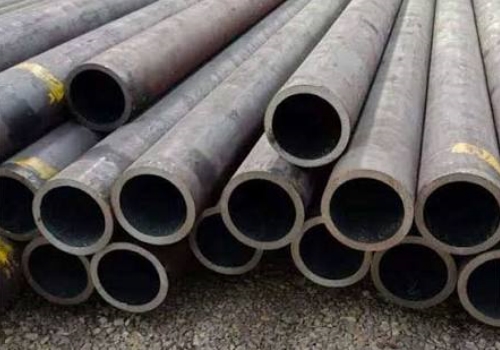
I remember my first large power plant project ten years ago. We needed pipeline materials that could withstand extreme heat and high pressure at the same time. The engineering team was arguing about whether to use standard carbon steel or expensive alloys. That was when I deeply studied the ASME SA335 standard, which completely changed how I look at industrial piping systems. Let me share what I learned about this critical material.
Do you know why regular steel pipes fail when the temperature rises above 450 degrees Celsius? Regular steel loses its strength quickly in high heat, which causes the pipe walls to stretch, thin out, and eventually burst.
The ASME SA335 standard provides a strict quality shield by adding specific alloys to the steel. This keeps your high-pressure systems safe and running without any unexpected leaks.
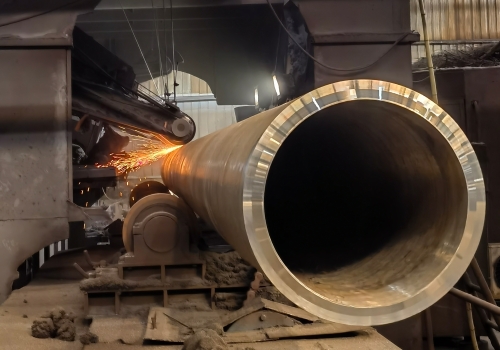
The secret of the ASME SA335 steel pipe lies in its chemical mix. The standard adds Chromium and Molybdenum to the steel. We often call these pipes P-Grade pipes because of this. Chromium improves the heat resistance and stops the steel from rusting at high temperatures. Molybdenum increases the strength of the steel and prevents it from stretching over time. This stretching is what engineers call creep.
Our factory uses precise melting and rolling methods to make sure these elements mix perfectly. This strict control means our pipes do not crack under long-term stress.
Different projects require different grades of alloy steel. The most common grades are P11, P22, and P91. Each grade handles a different level of temperature and pressure.
| ASME SA335 Grade | Chromium Content (%) | Molybdenum Content (%) | Max Suggested Temperature | Main Application |
|---|---|---|---|---|
| P11 | 1.00 - 1.50 | 0.44 - 0.65 | 550°C | General Power Plant Piping |
| P22 | 1.90 - 2.60 | 0.87 - 1.13 | 600°C | High-Pressure Boilers |
| P91 | 8.00 - 9.50 | 0.85 - 1.05 | 650°C | Ultra-Supercritical Power Stations |
Are you worried that hidden defects inside the pipe wall will cause a major industrial accident? Small air bubbles or invisible cracks inside the steel can expand under pressure and cause a sudden pipe explosion.
The manufacturing and testing rules in the ASME SA335 specification ensure that every single pipe is completely solid. These rules remove the risk of hidden structural failures before the pipes leave the factory.
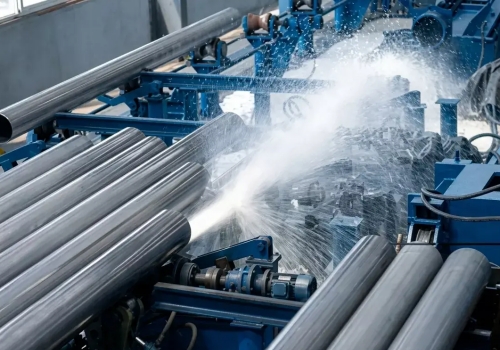
We make these seamless pipes using hot rolling or cold drawing methods. Hot rolling allows us to make large outer diameters and heavy wall thicknesses for high-flow pipelines. Cold drawing allows us to control the size with micrometer precision for specialized equipment.
Every single pipe must pass a hydrostatic test. We fill the pipe with water and pump it to a very high pressure to check for leaks. We also perform flattening and flaring tests. These tests squeeze and stretch the pipe ends to prove the steel is flexible and will not split during welding or bending on your construction site.
We also look at the inner structure of the steel. We limit harmful elements like Phosphorus and Sulfur to very low levels. This stops the steel from becoming brittle. Independent third-party organizations like SGS, BV, and TUV check our products regularly to ensure compliance.
| Test Type | Test Method | Purpose of the Test | Pass Criteria |
|---|---|---|---|
| Hydrostatic Test | High-Pressure Water Pump | Check for body leaks | Zero leaks or pressure drops |
| Flattening Test | Mechanical Press | Check steel elasticity | No cracks when flattened |
| Flaring Test | Conical Tool Expansion | Check weldability and expansion | No splits on expanded edges |
Are you unsure if your current piping system can handle the aggressive environment of modern chemical processing? Using the wrong pipe material in a corrosive, high-heat environment will force you to do expensive maintenance work every few months.
The ASME SA335 pipe is the perfect choice for the most demanding parts of your facility. It acts as the reliable main artery for dangerous gases and high-pressure steam.
In power plants, these pipes form the superheaters and main steam lines. They transport steam that is hot enough to melt many soft metals. The pipes must endure constant heat changes when the plant turns on and off.
In petroleum refineries, these pipes are crucial for hydrocracking and ethylene plants. These systems contain highly corrosive fluids and gases at extreme temperatures. Our pipes protect your workers and keep your production running smoothly for decades.
Modern industries are pushing for higher efficiency, which means higher temperatures. The ASME SA335 standard evolves to include new variations with better heat treatment rules. This helps engineers build lighter systems that hold more pressure. Choosing a one-stop supplier who understands these changes saves you time and reduces your material waste.
| Industry Sector | Specific Equipment | Operating Challenge | Recommended Material |
|---|---|---|---|
| Power Generation | Superheater Tubes, Main Steam Lines | High Thermal Stress, Creep | ASME SA335 P22 / P91 |
| Petrochemical | Hydrocracker Lines, Heat Exchangers | Corrosive Media, High Heat | ASME SA335 P11 / P22 |
| Green Energy | Geothermal Steam Piping | Wet H2S Corrosion, High Pressure | ASME SA335 P11 |
Understanding the ASME SA335 standard helps you buy high-quality alloy steel pipes that keep your high-temperature, high-pressure industrial systems safe, durable, and highly efficient for many years.