 English
 Español
 Русский
Vision/Value: Pragmatism, Integrity, Passion

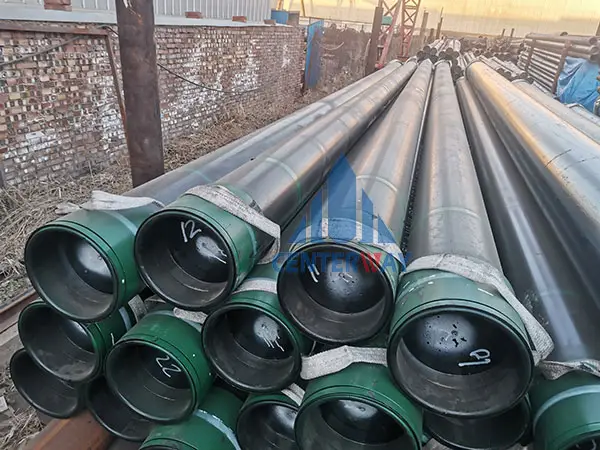
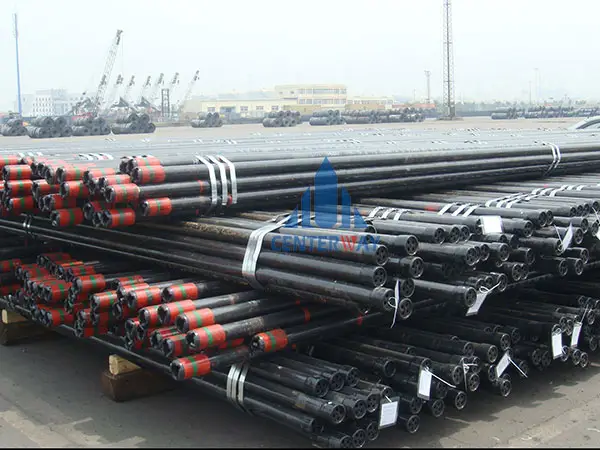
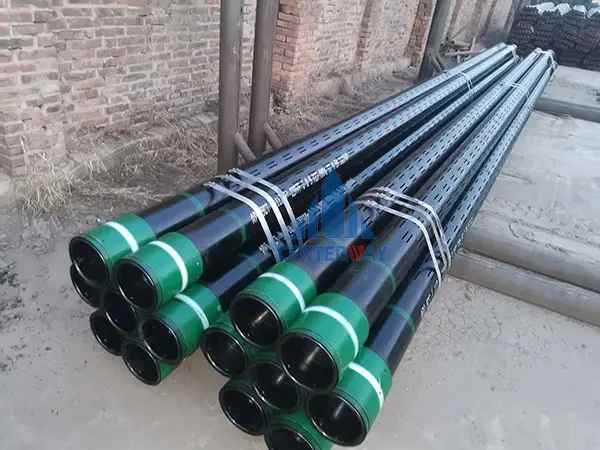
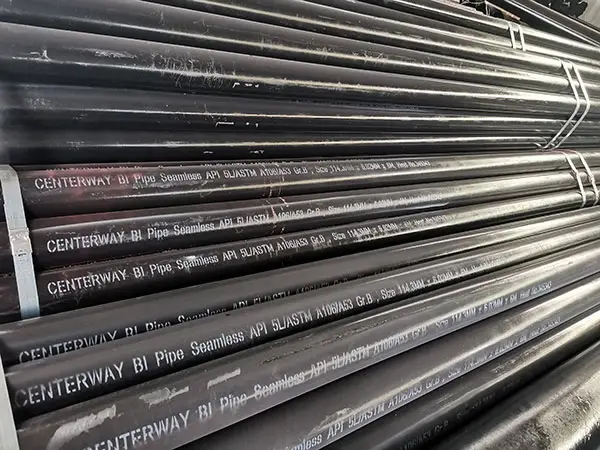
Need a pipe that handles extreme stress without failing? High-pressure systems demand tough materials. Let me show you how to choose the right one for your project. A high pressure carbon steel pipe is a strong, seamless tube. It withstands intense internal pressure and heat. Industries use these pipes for power generation and petrochemical plants. They safely move steam, gases, and fluids.
You might think all steel pipes are the same. But choosing the wrong pipe causes big problems. Bad pipes lead to disastrous leaks. Let us look closer at the special traits of these pipes. You must know these facts to keep your pipeline safe.
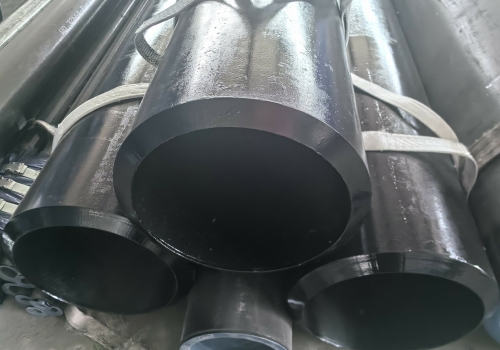
Worried about leaks in your high-pressure lines? Weak pipes cost money and risk safety. Knowing the core traits of good pipes solves this problem. A true high pressure carbon steel pipe offers superior pressure resistance and heat stability. The seamless structure removes weak weld points. This gives the pipe uniform strength. It handles hundreds of atmospheres of pressure safely.
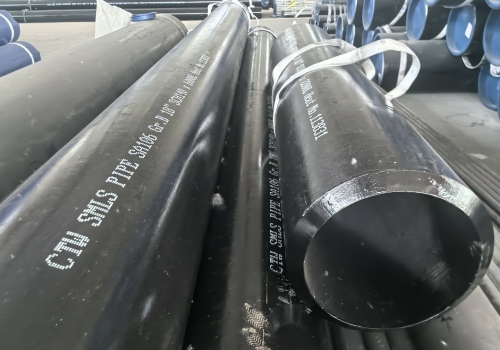
I always check the technical limits of the steel pipes we supply. A high pressure carbon steel pipe must meet very strict rules to work well. First, it needs superior pressure resistance. It must handle intense steam without bursting. Second, it must resist heat and rust. Continuous hot gases destroy weak steel over time. We use specific carbon steel grades to ensure long-term safety. Third, high geometric accuracy is a must. The outer diameter and wall thickness must be perfect. Uneven walls cause stress. Stress makes the pipe leak. These pipes are seamless. They have no weak weld lines. The metal flows continuously from end to end. This makes the stress spread evenly across the whole pipe body. I see many standard pipes fail under pressure in my career. Seamless carbon steel stays strong. It gives you peace of mind for your big projects.
Confused by all the different steel grades and rules? Picking the wrong standard causes project delays. Let me explain the most common standards you need. The most common standards for high-pressure pipes are ASTM A106, ASTM A335, and EN 10216-2. These rules control the steel recipe and strength. They ensure the pipes handle extreme heat in harsh environments.
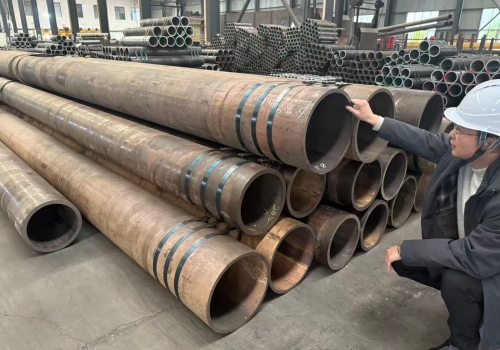
You must follow global standards when you buy a high pressure carbon steel pipe. These rules keep your projects safe. I use American and European standards the most in my daily work. ASTM A106 is a very common standard. It works great for hot steam lines. We often use Grade B and Grade C. ASTM A335 covers alloy steel pipes for even higher temperatures. You see this in power plants a lot. European projects usually ask for EN 10216-2. This standard covers both carbon and alloy steels. Japanese projects might use JIS G3458. Let me show you a simple table to compare them.
| Standard System | Common Grade | Main Application | Max Temperature |
|---|---|---|---|
| ASTM A106 | Grade B, C | Steam pipelines | Up to 425℃ |
| ASTM A335 | P91, P22 | Power plant main lines | High temperature |
| EN 10216-2 | P235GH | Pressure environments | -50℃ to 580℃ |
| JIS G3458 | STPA22 | High-pressure lines | High temperature |
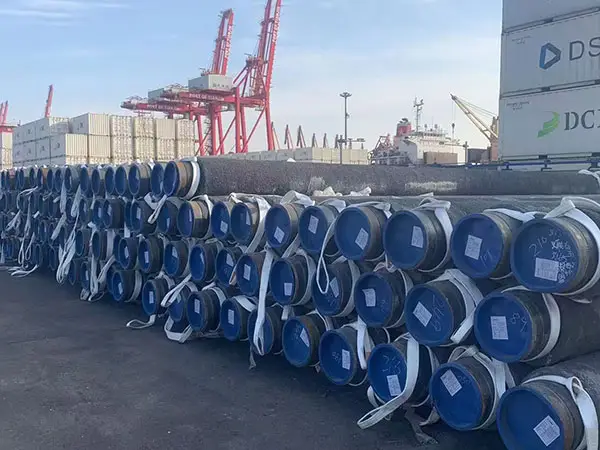
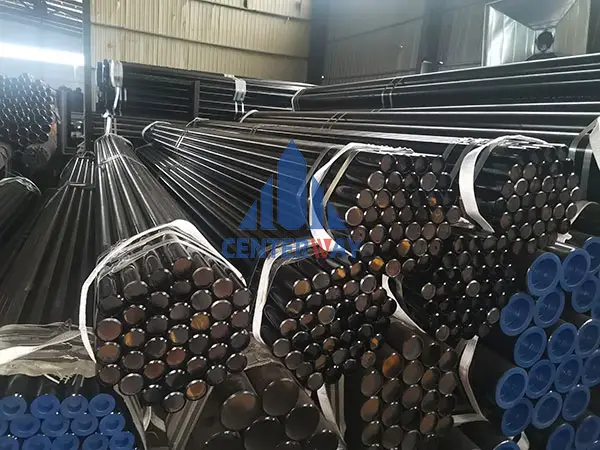
Dealing with complex international projects is stressful. Strict rules and tight deadlines cause headaches. Let me share how we solved a major problem in Turkey. A client in Turkey needed reliable high-pressure pipes for a new power plant. We supplied top-quality seamless carbon steel pipes. We managed the strict SGS testing. We delivered the materials on time for safe operation.
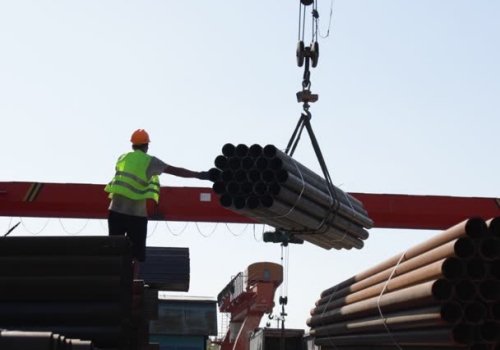
Let me tell you about a recent project. A large construction company in Turkey contacted Centerway Steel. They were building a massive new thermal power plant. They needed a reliable high pressure carbon steel pipe supplier. The Turkish market has very strict rules for imported steel. The local inspectors demanded perfect quality. They needed pipes that could handle hot steam all day and night. I took charge of this big order. I worked closely with our production team. We picked the best solid tube blanks. We pierced and rolled them perfectly. We did special heat treatments like quenching and tempering. This made the steel incredibly strong. The tensile strength easily passed 600MPa. We invited SGS to check the pipes before shipping. SGS is a famous testing company. They passed every single test. The Turkish client received the pipes on time. Their power plant is running safely today. This project shows our deep experience. We solve real problems for our global partners.
Still have doubts about high-pressure piping materials? Unanswered questions can delay your purchasing process. Here are the clear answers you need to move forward. Buyers often ask about seamless versus welded pipes, applications, and wall thickness. Seamless pipes offer better safety. Power and oil industries use them most. You must calculate thickness based on your system pressure and heat. I answer many questions from buyers every day.
The most common question is: "Why use seamless instead of welded?" A seamless high pressure carbon steel pipe has no weak spots. Welded pipes can break at the seam under high stress. Seamless pipes are much safer for extreme jobs.
Another common question is: "Where do you use these pipes?" I see them most in power generation. Boilers and superheaters need them. Petrochemical plants use them for chemical reactors. They also work great in heavy machinery cylinders.
Finally, buyers ask: "How do I choose the right wall thickness?" You must look at your system pressure and temperature. Higher pressure needs a thicker wall. You also need extra thickness for rust over time. Ask your engineers if you do not know the exact size. I always check these details twice. I do this before placing a production order. I want to make sure you get the exact right product.
High pressure carbon steel pipes provide unmatched strength and safety for demanding projects. Choosing the right standard and a trusted supplier ensures your pipeline runs perfectly for years.