 English
 Español
 Русский
Vision/Value: Pragmatism, Integrity, Passion

Do you worry about pipeline leaks on your major construction projects? Pipeline failures cost money and ruin reputations. I will show you how to build safe, compliant systems every time. ASME B31.4 is a critical engineering standard for safety. It sets the strict rules for designing, building, and testing pipelines that move liquid products. This code ensures that crude oil, refined chemicals, and other fluids travel safely under pressure across long distances.
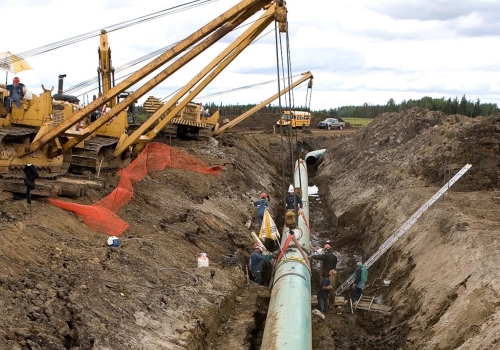
You cannot afford to guess when buying steel pipes for large-scale projects. Let us break down exactly what this standard means for your next big procurement job.
Are you unsure if your fluid requires this standard? Buying the wrong pipe wastes your budget. See exactly what liquids this code covers. The standard applies primarily to liquid hazardous materials. It covers crude oil, liquid carbon dioxide, liquid alcohols, and refined petroleum products. It also covers the pumping stations and metering facilities that push these liquids. As a purchasing manager, I know you need clear boundaries for your projects. You want to buy the right high-quality SSAW steel pipes without overspending on unnecessary specifications. The ASME B31.4 pipeline transportation systems for liquids sets very clear rules on what fluids it manages. It focuses on systems where the internal pressure is higher than normal atmospheric levels. If you pump crude oil across a country, you use this code. If you move liquid anhydrous ammonia, you must follow these rules. It also covers the storage tank farms and the pump stations that keep the fluid moving. However, it does not cover everything. For example, it does not cover natural gas. Gas pipelines use a totally different code called ASME B31.8. It also does not cover the internal piping inside a petroleum refinery. Here is a simple table to help you categorize your next project and choose the right materials:
| Fluid Type | Covered by This Standard? | Typical Pipe Requirement |
|---|---|---|
| Crude Oil | Yes | High-strength SSAW or LSAW steel pipes |
| Liquid Carbon Dioxide | Yes | Low-temperature resistant steel pipes |
| Natural Gas | No (See B31.8) | N/A |
| Boiler Water | No (See B31.1) | N/A |
Weak pipes burst under high pressure. Fixing a broken system halts your entire operation. Learn the design rules that stop failures before they start. The code requires strict calculations for pipe wall thickness and stress limits. You must factor in internal pressure, fluid temperature, and environmental weight. This ensures the pipe material handles the load without bending or breaking.
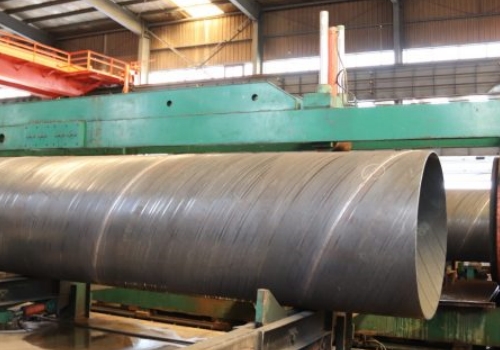
When I review project drawings with engineers, the pipe wall thickness is always the biggest topic. The code uses specific formulas to find the minimum required thickness. You cannot just guess this number. You must use the design pressure, the outside diameter of the pipe, and the specified minimum yield strength of the steel. I always tell my clients to pay close attention to the material grade. If you buy a higher grade of steel, you can use a thinner pipe. A thinner pipe weighs much less. Less weight means lower shipping costs and faster installation on the job site. This is a great way to save costs for your company while staying totally safe. When you design the system, you must follow these steps:
· Choose a strong steel grade.
· Determine the exact wall thickness.
· Add a corrosion allowance. For example, if you transport highly corrosive chemicals, you must add extra steel thickness. The code calls this a corrosion allowance. At Centerway Steel, we always make sure our steel pipes meet these exact thickness margins before they leave the factory.
Hidden cracks ruin new pipelines. Skipping tests leads to environmental disasters. Discover the mandatory steps to prove your system is solid. You must perform a hydrostatic test before you operate the pipeline. This involves filling the pipe with water and pressurizing it beyond its normal operating limit. This test proves the welds and materials have no leaks. Testing is the final hurdle before your project goes live. You spent weeks sourcing the best steel pipes, pipe fittings, and valves. Now, you must prove they work together. The standard demands rigorous testing, and hydrostatic testing is the most reliable method. During this test, crews fill the sealed pipeline section with water. They use large pumps to raise the pressure. The standard usually requires the test pressure to be at least 125% of the maximum internal design pressure. They hold this pressure for several hours. If the pressure drops, you have a leak. If it holds steady, your system is safe to use. Besides water testing, the code requires strong welding inspections. When you join two pipes, the weld must be absolutely perfect.
1. Use X-ray testing on all weld seams.
2. Use ultrasonic testing to find hidden cracks inside the steel.
3. Perform visual inspections on the outer coating. I highly recommend working with a supplier who does these non-destructive tests in the factory first. Our products pass inspections by international organizations like SGS and TUV. This saves you huge headaches in the field.
Have more questions about pipeline standards? Searching for answers takes hours. Read these quick answers to clear your doubts instantly. People often ask about the differences between ASME codes and how they affect pipe buying. Knowing these answers helps you make faster, smarter purchasing decisions for your construction projects and pipeline networks. Let us look at the most common questions my clients ask me regarding pipeline codes.
ASME B31.4 covers liquid transportation.
ASME B31.8 covers gas transmission and distribution.
Liquids do not compress like gas does. Therefore, the codes handle pressure changes and safety margins differently.
Yes, it does.
It dictates rules for regular pipeline patrols.
It requires strict corrosion monitoring.
It mandates emergency response planning and repair procedures.
Absolutely.
Spiral Submerged Arc Welded (SSAW) pipes are very common for large-diameter liquid transport.
They offer a great balance of high strength and low cost.
You just need to ensure the manufacturer follows strict quality control and provides testing certificates.
The code strongly encourages verification.
Having a third party like BV or DNV inspect the pipes ensures the factory meets all code requirements.
The ASME code ensures your liquid pipelines run safely and efficiently. By following these rules, you protect your projects from costly failures. Choose Centerway Steel as your reliable one-stop pipeline supplier today, and let us build safe systems together!