 English
 Español
 Русский
Vision/Value: Pragmatism, Integrity, Passion

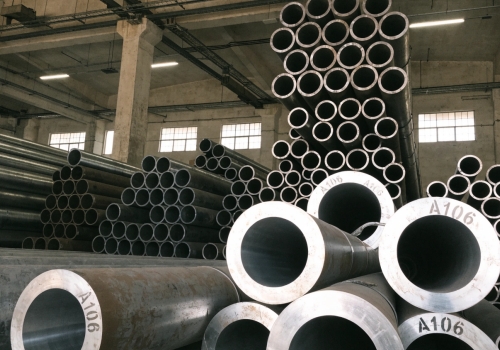
High heat and pressure can destroy poor pipelines. You face project delays and budget overruns when materials fail. I will show you how the right pipe prevents these disasters. An A106 steel pipe is a seamless carbon steel product. Factories design it for high-temperature and high-pressure services. Refineries and power plants use this pipe daily. The seamless design offers high strength without weak weld points. This design ensures reliable performance in demanding construction projects.
You might wonder why this specific standard matters so much for your sourcing needs. Many buyers struggle to find the right balance between cost and safety. I have spent years helping buyers navigate these exact choices. You must read further to see how this knowledge helps your next project.、
Picking the wrong steel grade ruins project safety. You waste money on over-specified materials or risk dangerous failures. I will help you choose the exact grade you need. An A106 steel pipe comes in three main grades. Grade B is the most common choice for general high-temperature applications. Grade C has the highest carbon content. This grade offers maximum strength. Grade A offers the most flexibility for bending. I work with EPC buyers every day. I know your projects require strict safety materials. The grade you choose directly impacts your project budget. I will explain the three grades of an A106 steel pipe. Grade A has a lower carbon limit of 0.25%. This low carbon makes the pipe easy to bend. Grade B allows up to 0.30% carbon. It balances strength and ductility perfectly. Most buyers choose Grade B for their pipeline projects. Grade C allows up to 0.35% carbon. This grade gives you the highest strength. But the extra carbon makes Grade C harder to weld. You must plan your welding process carefully. I recommend matching the grade to your pressure requirements. We keep a large inventory of Grade B at Centerway Steel. This specific grade solves most high-temperature problems. Our one-stop service ensures you get the right grade fast. I have created a simple table below. This table shows the chemical limits for each grade. You can use this table to verify your engineering specifications.
| Grade | Carbon Limit | Manganese Range | Best For |
|---|---|---|---|
| A106 Grade A | 0.25% Max | 0.27% - 0.93% | Bending and coiling |
| A106 Grade B | 0.30% Max | 0.29% - 1.06% | General high heat use |
| A106 Grade C | 0.35% Max | 0.29% - 1.06% | Highest pressure needs |
Mixing up steel standards causes major safety violations. You cannot afford to install low-pressure pipes in a high-heat system. I will clarify the differences to protect your project. An A106 steel pipe is seamless. It handles high heat and pressure well. An A53 pipe works for low-pressure structural uses. It handles water or air. A105 is forged carbon steel. Factories use it to make pipe fittings and flanges.
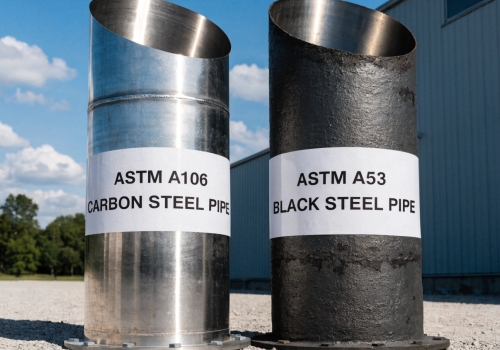
I often see buyers get confused by similar ASTM numbers. A mistake here costs your company money. We will look at A53 first. An A53 pipe has weld seams. It works well for low-pressure jobs like water lines. But an A106 steel pipe contains added silicon. The silicon helps the pipe resist high heat. You must use A106 when your pipes carry hot oil. We must talk about A105 now. The numbers sound similar. But the products are completely different. A105 is a forged material. Factories use A105 to create flanges. They do not use A105 to make straight pipes. A105 acts as the joint. This joint connects your A106 pipes together. I always double-check these details as an experienced supplier. I want to make sure your one-stop sourcing goes smoothly. We inspect all incoming materials to prevent mixed standards. I offer a quick guide below. This guide separates the three standards. You can use it to check your next purchase order.
| Standard | Product Type | Key Feature | Common Application |
|---|---|---|---|
| ASTM A106 | Seamless Pipe | High heat resistance | Refineries, power plants |
| ASTM A53 | Welded or Seamless Pipe | General structural use | Water lines, gas lines |
| ASTM A105 | Forged Fittings | High carbon content | Flanges, connectors |
Weak pipes burst under extreme pressure. You lose precious time and face severe penalties when systems fail testing. I will show you the exact strength numbers you need. The mechanical properties of an A106 steel pipe depend on its grade. Grade A has a minimum yield strength of 30,000 psi. Grade B offers 35,000 psi. Grade C provides 40,000 psi. Higher carbon increases the tensile strength. But it reduces the overall toughness and weldability.
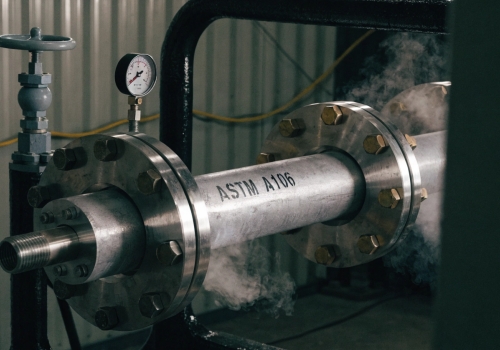
Engineers care deeply about yield strength and tensile strength. Yield strength tells you the bending point. Tensile strength tells you the breaking point. I always advise buyers to check these numbers carefully. A weak pipe makes the whole system fail. An overly strong pipe wastes your limited budget. Grade B remains the industry favorite. Grade B provides a 35,000 psi yield strength. This strength gives you a great balance of safety and cost. Grade C gives you higher numbers. But you lose ductility with Grade C. A rigid pipe is hard to bend. You must pay extra for special welding procedures. I want to help you save costs. I also want to ensure top quality for your project. We provide full testing reports for every batch. These reports prove the exact mechanical properties of your delivery. We test every pipe to meet international standards. I share a clear breakdown of these mechanical properties below. This table shows the exact numbers you need.
| Property | Grade A | Grade B | Grade C |
|---|---|---|---|
| Yield Strength (min) | 30,000 psi | 35,000 psi | 40,000 psi |
| Tensile Strength (min) | 48,000 psi | 60,000 psi | 70,000 psi |
| Toughness | Very high | Balanced | Lower |
| Weldability | Excellent | Very Good | Fair |
An A106 steel pipe handles high heat safely. Choosing the right grade and understanding mechanical properties saves money. Let Centerway Steel supply your next reliable pipeline project.