 English
 Español
 Русский
Vision/Value: Pragmatism, Integrity, Passion

Freezing weather easily cracks normal steel pipes. Broken pipes ruin your projects and waste your money. You can use the right materials to stop this problem today. The astm a333 low temperature carbon steel pipe is a strong, specialized pipe. It stays tough in extremely cold places down to -45°C. We use it mostly in oil, gas, and chemical plants to keep systems safe and stop winter cracking.
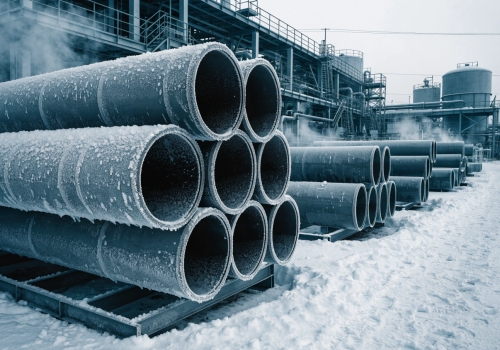
Bad materials will stop your work and cause dangerous leaks. You cannot afford to make mistakes with your supply chain. Let us discover exactly how the right steel keeps your projects safe forever.
Regular steel turns brittle in the cold. A sudden freeze can snap your pipeline like a dry twig. You need tough steel to handle sudden shocks. Normal steel loses its impact resistance below freezing. The special chemical mix and heat treatments in our low temperature pipes keep the metal flexible and strong, even when the temperature drops deeply.
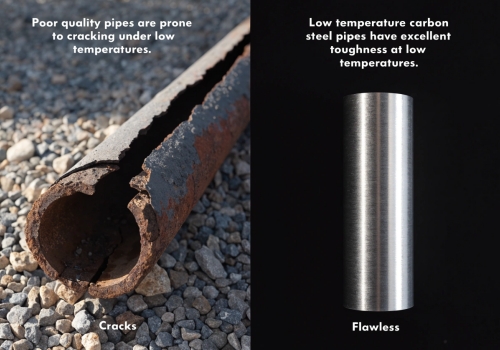
Let us look closely at why standard pipes break. Every steel has a point where it changes from tough to brittle. When regular pipes hit this freezing point, even a small shock will shatter them. This creates huge safety risks and costs your company a lot of money to fix.
· Manganese levels go up to boost the overall toughness of the pipe.
· Grain sizes remain very small to give better impact resistance in the cold.
· We keep harmful elements out to stop the metal from becoming weak.
· We use a normalizing process to heat the steel and cool it in the air.
· This heating process makes the internal structure of the metal very even.
· An even structure prevents dangerous weak spots from forming inside the pipe walls.
· You get a material that bends slightly under high pressure instead of snapping in half.
Guessing your material grades will ruin your design. Wrong specs mean failed inspections and wasted budgets. You must know the exact numbers to buy correctly. ASTM A333 Grade 6 is the most popular choice. It holds a minimum tensile strength of 415 MPa and a yield strength of 240 MPa. This grade easily passes strict impact tests at -45°C.
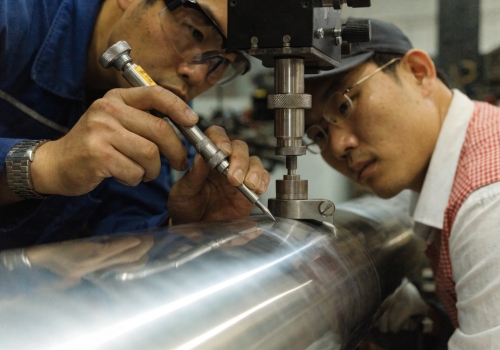
You need clear data to make the best sourcing choices. Let us break down the exact chemical and mechanical needs for top grades. The numbers tell you exactly what you are paying for when you buy from us.
Different grades serve different roles in your projects. We strictly control these elements during production to give you the best quality.
· Manganese adds vital strength to the thick steel walls.
· We keep sulfur very low to stop internal defects from forming.
· We keep phosphorus very low to stop brittle cracking. (These small details matter greatly).
· We match the exact chemical needs of your project every single time.
| Grade | Carbon (Max) | Silicon | Manganese | Phosphorus (Max) | Sulfur (Max) |
|---|---|---|---|---|---|
| ASTM A333 Gr 6 | 0.30% | >=0.10% | 0.29 - 1.06% | 0.025% | 0.025% |
| ASTM A350 LF2 | 0.30% | 0.15 - 0.30% | 0.60 - 1.35% | 0.035% | 0.040% |
| A420 Gr WPL6 | 0.30% | 0.15 - 0.40% | 0.50 - 1.35% | 0.035% | 0.040% |
Chemicals alone do not prove quality. The factory must test the physical strength of the pipe.
· The factory runs tensile tests to measure raw pulling strength.
· We check the yield strength to see when the pipe starts to bend permanently.
· We perform impact tests at freezing temperatures to ensure cold weather safety.
· We also test the elongation to see how far the metal stretches safely.
| Grade | Tensile Strength (MPa) | Yield Strength (MPa) | Elongation (%) | Impact Test Temp |
|---|---|---|---|---|
| ASTM A333 Gr 6 | >= 415 | >= 240 | >= 30 | -45°C |
| ASTM A350 LF2 | 485 - 655 | >= 250 | >= 30 | -46°C |
| A420 Gr WPL6 | 415 - 655 | >= 240 | >= 30 | -50°C |
Choosing the wrong pipe location leads to early leaks. A leak in a chemical plant causes disasters. You need to put the right pipe in the right place. We use these pipes in oil exploration, gas transport, and chemical processing facilities. They also work perfectly for offshore platforms and liquid gas storage tanks. These areas face brutal cold weather and demand reliable materials.
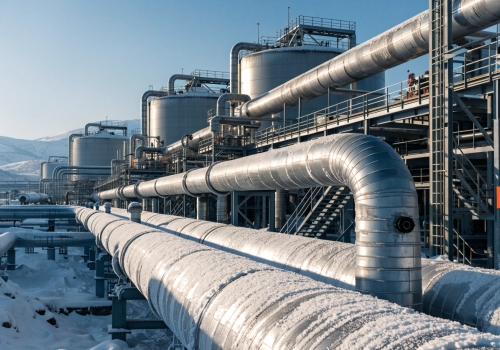
You can find these strong pipes across many heavy industries. When you buy high-quality materials, you lower your daily maintenance costs and keep your workers completely safe.
· Companies build large pipelines across freezing regions like Alaska or Siberia.
· The astm a333 low temperature carbon steel pipe carries crude oil safely across these lands.
· It handles high internal fluid pressure and freezing outside air at the exact same time.
· This dual strength saves you from buying extra protective layers for your pipes.
· Chemical plants store dangerous liquids at very low temperatures.
· Liquefied natural gas (LNG) needs extreme cold to stay in a liquid form.
· We use these specific pipes to connect the cold storage tanks and reactors securely.
· They prevent dangerous leaks that could shut down your entire plant.
· The open ocean gets incredibly cold in deep water or northern seas.
· Marine platform engineers use these pipes for strong structural support and piping.
· The good weldability of the pipe helps teams build large offshore structures much faster.
· Faster construction times reduce your expensive labor costs significantly.
Even the best materials fail if you treat them poorly. Bad storage or wrong welding ruins your investment quickly. You must follow strict rules to protect your pipes. You must store these pipes in dry places to stop rust. When you weld them, you must use low-hydrogen methods to prevent internal cracking. Proper handling keeps your pipes ready for safe long-term use.
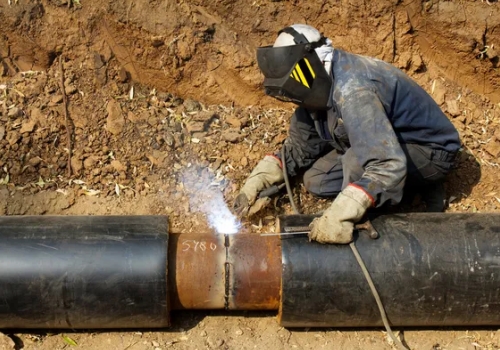
I have seen many buyers waste money because their teams handled good pipes badly. You need a solid plan to protect your investment from the factory all the way to the job site.
· Keep the pipes off the wet ground using solid wooden blocks.
· Cover them tightly with heavy waterproof tarps to block rain and snow.
· Apply protective coatings or anti-rust oils if you store them for many months.
· Clean the pipe ends carefully before you move them to the final site.
· Preheat the metal slightly if the weather is extremely cold outside.
· Use dry, low-hydrogen welding rods for every single pipe joint.
· Control your welding heat to protect the tough internal structure of the pipe.
· Cool the welded area slowly to prevent thermal shock and sudden cracks.
· Check your installed pipes often for scratched paint or damaged coatings.
· Look closely for any early signs of surface rust around the joints.
· Fix small scratches today to avoid spending thousands of dollars on broken pipes tomorrow.
· Keep a simple maintenance log to track the health of your pipeline system.
Buyers always ask similar questions before they spend their budget. Missing these simple answers slows down your purchasing process. Let us clear up the confusion right now. People frequently ask about corrosion, welding, and storage. You can weld this steel safely. You must protect it from rust with good coatings. You should store it inside or under dry covers.
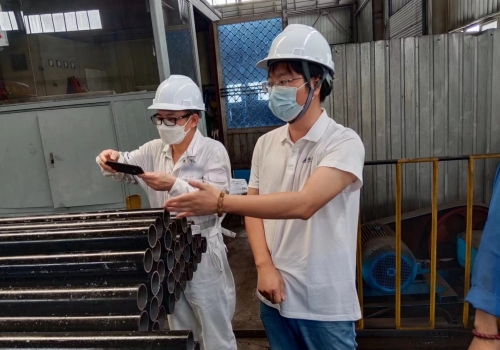
Here are the direct answers to the most common questions I get from project managers and designers. These simple facts will help you buy with total confidence.
· Yes, you can weld this material safely in the field or in the shop.
· You must stop hydrogen gas from entering the hot weld pool.
· Hydrogen causes tiny cracks when the metal cools down quickly.
· Always use low-hydrogen electrodes and keep your welding area perfectly dry.
· This material is tough against the cold, but it still rusts like normal steel.
· You need to apply good industrial paints or thick anti-corrosion coatings.
· You can use special corrosion-resistant wraps around the buried underground pipes.
· Good daily maintenance practices keep the pipes clean and safe for many years.
· People mostly use A106 Grade B for high heat situations.
· It works well in mild cold, but it lacks strict cold-impact tests.
· If your project drops below -29°C, you must switch to the astm a333 low temperature carbon steel pipe.
· Using the wrong grade will cause your system to fail safety inspections.
Using the right cold weather materials stops dangerous cracks and expensive leaks. You save money and protect your heavy projects. Contact us today to get your reliable carbon steel pipe.