 English
 Español
 Русский
Vision/Value: Pragmatism, Integrity, Passion

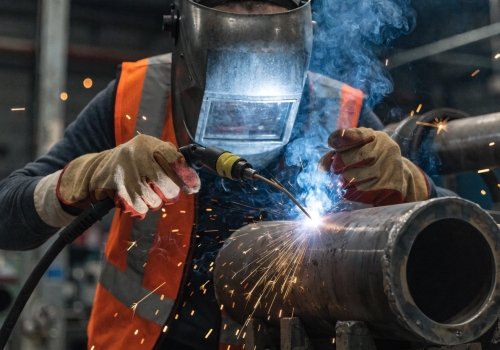
Boiler leaks cause project delays. Bad welds waste time and ruin budgets. I will show you how to fix these problems and keep your construction projects on track. Boiler tube welding joins metal pipes that carry water and steam under high pressure. You must choose the right diameter, thickness, and material first. Good welding needs strict control of the angle, electrode type, and heat. This builds a safe system without leaks.
As a buyer for an EPC company, you want a one-stop supplier to save costs. Let us look at how to pick the right materials and join them right.
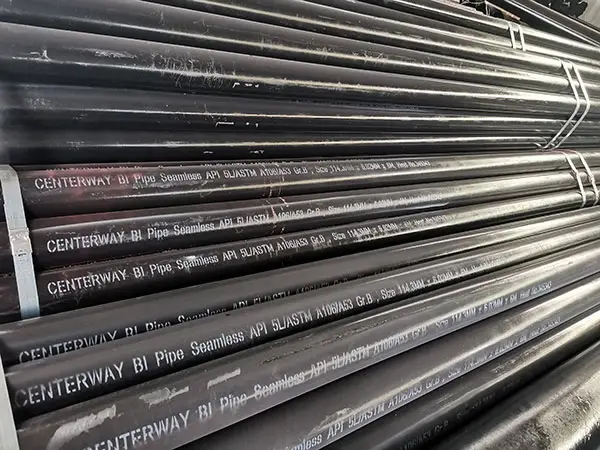
Picking the wrong pipe material leads to fast rust. This ruins the whole boiler system. You need to match the tube material to your exact working pressure. Low-pressure boilers work well with basic carbon steel pipes. Medium and high-pressure boilers need alloy steel or stainless steel pipes. Your choice depends on the heat and acid levels in your specific boiler area.
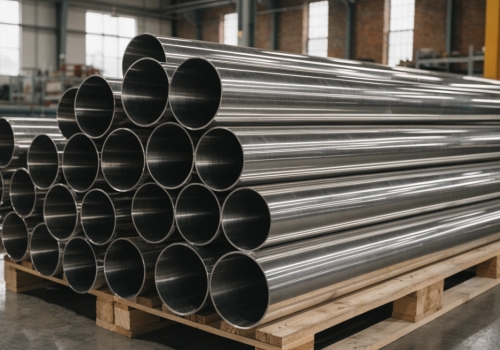
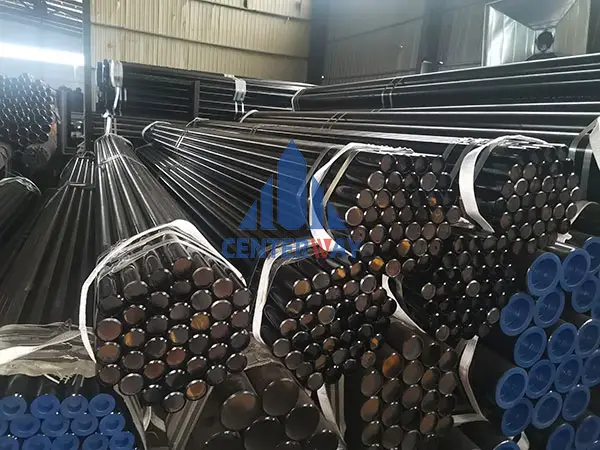
I remember a time when a buyer for a big EPC project bought the wrong pipes. He tried to use basic carbon steel for a high-pressure acid space. The pipes broke quickly. He had to stop the work and buy new materials. This mistake hurt his project budget. You must look at the pipe diameter and wall thickness first. If the wall is too thin, the boiler pressure will cause water leaks. Next, you must look at the heat and rust resistance. I always tell my clients to look at the table below before they start boiler tube welding. At Centerway Steel, we produce pipes that meet strict ISO and CE rules. We make sure you get the exact material you need.
| Boiler Type | Working Pressure | Recommended Material | Common Use Case |
|---|---|---|---|
| Low-Pressure | Low | Carbon Steel | Standard water heating |
| Medium-Pressure | Medium | Alloy Steel | Industrial steam systems |
| High-Pressure | High | Stainless Steel | Power plant boilers |
| Ultra-High | Very High | Special Alloys | Advanced energy plants |
Weak welds break under high pressure. These breaks cause dangerous steam leaks on your job site. You must follow strict steps during welding to build strong joints. Good boiler tube welding needs the right position, correct welding rod, and exact heat control. You use E43 rods for carbon steel and E70 for alloy steel. You must clean the area perfectly to stop gas bubbles.
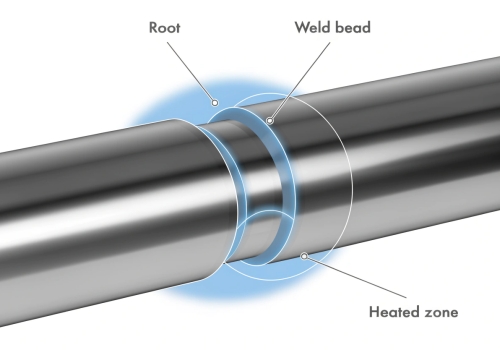
The welding process decides if your boiler will work safely. I visit job sites often, and I see many welding mistakes. Welders sometimes ignore the welding angle. A bad angle makes weak spots in the joint. You must also pick the correct welding rod. The rod material must match the pipe material perfectly. You must control the welding heat and time very strictly. If the heat is too low, the metals do not join well. If the heat is too high, you burn the pipe. The area around the weld must be very clean. Dirt and oil cause gas bubbles in the weld. These bubbles make the joint weak. We supply pipes with low impurities. This helps your team weld better.
| Pipe Material | Recommended Welding Rod | Welding Heat Focus |
|---|---|---|
| Carbon Steel | E43 Series | Standard heat control |
| Alloy Steel | E70 Series | Strict heat control |
| Stainless Steel | Specific SS Rods | Very strict heat control |
Bad quality pipes change shape under high heat. This ruins your building schedule and upsets your end-users. You must buy pipes that meet strict technical rules. Boiler pipes must have stable strength and bend easily under heat. They need great resistance to rust and air damage. The factories must clean the internal burrs strictly. They must keep all dents under 0.15 millimeters. You cannot just use any pipe for a boiler. I once helped an EPC builder replace cheap pipes that failed pressure tests. The first supplier did not clean the weld burrs. Good welded pipes need strict cleaning of internal and outer burrs. We keep these burrs under 0.15 millimeters.
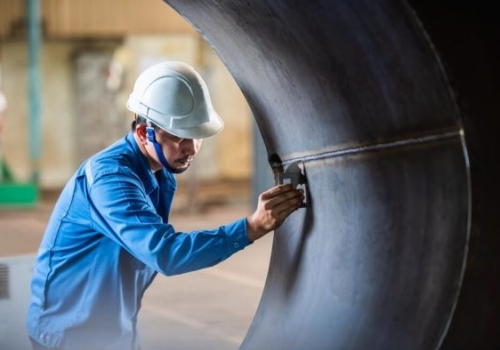
You must also look at the gas content in the raw steel. High gas levels ruin the weld quality later. At Centerway Steel, we check our pipes for good flattening and cold bending. This saves your workers time on the job site. Most boiler tubes work below 350 degrees Celsius for water-cooled walls. High-pressure tubes work in much hotter spots like superheaters. You need very strong steel to handle that extreme heat.
| Boiler Tube Use | Working Heat | Key Rule to Follow |
|---|---|---|
| Water-cooled wall | Below 350°C | Easy bending, good flow |
| Boiling water tube | Below 350°C | Clean inner surface |
| Superheater tube | High Heat | High rust resistance |
| Main steam tube | High Heat | Extreme pressure handling |
Proper boiler tube welding and smart material choices keep your boiler safe. We provide top steel pipes to make your one-stop buying easy and your building projects successful.