 English
 Español
 Русский
Vision/Value: Pragmatism, Integrity, Passion

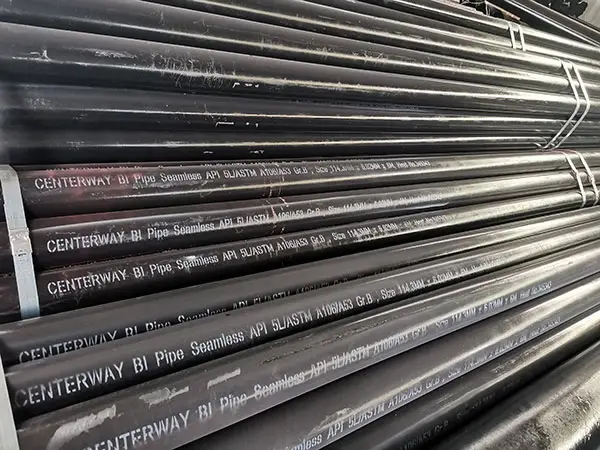
High-temperature pipeline failures cost projects time and money. Choosing the wrong pipe standard ruins your entire budget. I will show you the exact specifications to ensure absolute project safety. The ASTM A106 seamless pipe specifications cover carbon steel pipes designed specifically for high-temperature service. These seamless pipes lack weld seams. This design provides high strength under stress. The standard includes sizes from NPS 1/8 to NPS 48. They work perfectly for power plants and oil refineries.
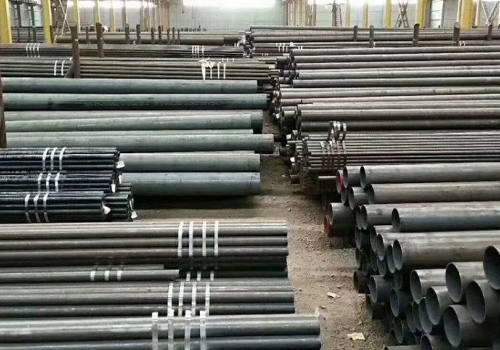
I often talk to project managers who struggle with material selection. They worry about pressure drops. They fear unexpected system leaks. I understand this pressure perfectly. You must read the following sections to prevent a complete system failure.
Sourcing pipes without clear dimensions causes installation delays. Your engineers need exact tolerances. I provide the full sizing details so you can buy the right materials today. The sizing rules include outer diameters from NPS 1/8 to NPS 48. The wall thickness follows ANSI B 36.10 standards. The outer diameter tolerance stays within ±1%. The wall thickness never falls below 12.5% under the nominal thickness. You must follow these strict rules.
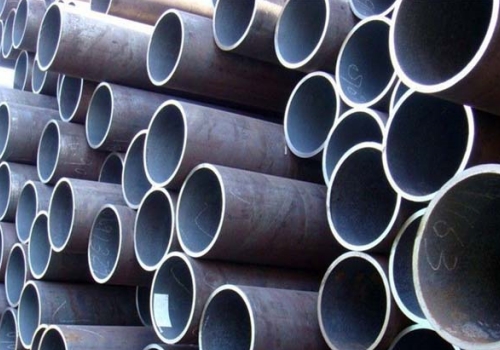
You must understand the exact sizing limits when you plan a new pipeline system. The standard covers a massive range of pipe sizes. You will use these pipes in heavy-duty industrial environments. The seamless manufacturing process creates a uniform tube. This process removes the weak points found in welded pipes. I always recommend seamless options when you deal with extreme pressure. The nominal pipe size determines the standard pipe diameter. The schedule determines the wall thickness. You can find schedules ranging from Schedule 10 to Schedule 160. You will also see Standard, Extra Strong, and Double Extra Strong designations. These standard sizes help you connect valves and fittings without mismatch issues. Centerway Steel maintains a huge inventory of these exact sizes. We support your urgent project demands. You save time when you buy everything from one reliable supplier. Our production bases ensure tight tolerances for every single pipe. Your installation team will face zero problems during assembly. I know purchasing managers need accurate data to calculate freight costs. Proper sizing helps you plan your logistics perfectly. We provide all the correct measurements to help you succeed.
| Specification Feature | Details for All A106 Grades |
|---|---|
| Outer Diameter (NPS) | NPS 1/8 to NPS 48 |
| Wall Thickness Schedules | Sch 10-160, STD, XS, XXS |
| Outer Diameter Tolerance | ±1 % of specified OD |
| Wall Thickness Tolerance | Maximum 12.5% under nominal thickness |
Chemical variations confuse many buyers. Picking the wrong grade causes pipe failure under high heat. I will explain the chemical makeup so you can choose the safest option. The standard features three primary grades. These include Grade A, Grade B, and Grade C. Each grade contains different carbon and manganese levels. Grade B serves as the most popular choice for construction projects. The silicon content provides excellent heat resistance for high-temperature applications.
The chemical composition directly determines how the pipe behaves in your facility. We offer three different grades to match your specific engineering needs. Grade A contains the lowest carbon amount at 0.25 percent. This low carbon makes Grade A very easy to bend during installation. Grade B increases the carbon to 0.30 percent. Grade B also adds more manganese. I see most EPC contractors buy Grade B. Grade B balances strength and workability perfectly. Grade C contains 0.35 percent carbon. You should pick Grade C when you need maximum strength. You must remember that Grade C is harder to weld. The silicon content stays at 0.10 percent across all grades. This silicon acts as a deoxidizer. The silicon also boosts the high-temperature performance. You can use this data to calculate the exact material costs for your pipeline construction. I always review these chemical reports with my clients. We ensure every batch meets the international testing standards. Our ISO certifications guarantee this chemical accuracy. Your engineers rely on these exact percentages to approve the purchasing orders. I provide full material test certificates to make your job easier.
| Chemical Element | A106 Grade A | A106 Grade B | A106 Grade C |
|---|---|---|---|
| Carbon (C) max | 0.25% | 0.30% | 0.35% |
| Manganese (Mn) | 0.27% - 0.93% | 0.29% - 1.06% | 0.29% - 1.06% |
| Phosphorus (P) max | 0.035% | 0.035% | 0.035% |
| Sulfur (S) max | 0.035% | 0.035% | 0.035% |
| Silicon (Si) min | 0.10% | 0.10% | 0.10% |
Weak pipes burst under high pressure. Replacing damaged systems stops your entire project operation. I will show you the exact strength ratings to guarantee your system's long-term durability. The mechanical properties increase with higher carbon content. Grade A offers a minimum yield strength of 30,000 psi. Grade B provides 35,000 psi yield strength. Grade C delivers the highest strength at 40,000 psi. You must match these ratings to your system pressure requirements.
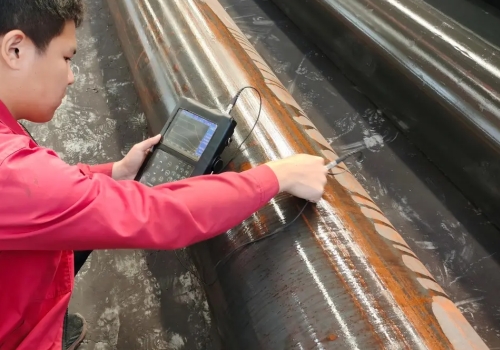
Mechanical strength stands as the most important factor for high-pressure pipelines. The density remains the same across all three grades. The density is 0.284 pounds per cubic inch. However, the yield strength and tensile strength vary greatly. Grade B remains the industry standard. Grade B handles high pressure while remaining easy to weld. Many buyers ask me about the differences between this standard and other common standards. You should know that ASTM A53 applies to low-pressure systems. You use A53 for basic water lines. This specific high-temperature standard is strictly for extreme heat and high pressure. People sometimes confuse this standard with ASTM A105. ASTM A105 applies to forged steel fittings and flanges. ASTM A105 does not apply to the actual pipe lengths. You use A105 fittings to connect your seamless pipes. My team at Centerway Steel provides all these integrated pipeline products in one place. We save your purchasing time. I have supplied materials for major oil and gas projects worldwide for many years. I know how strict EPC companies are regarding mechanical testing. Understanding these exact ASTM A106 seamless pipe specifications prevents costly sourcing mistakes. You protect your company budget when you know these exact details.
| Mechanical Property | A106 Grade A | A106 Grade B | A106 Grade C |
|---|---|---|---|
| Yield Strength (min) | 30,000 psi | 35,000 psi | 40,000 psi |
| Tensile Strength (min) | 48,000 psi | 60,000 psi | 70,000 psi |
| Key Trait | High ductility, easy to bend | Balanced strength, widely used | Highest strength, lower weldability |
The ASTM A106 seamless pipe specifications guarantee safety in high-temperature projects. You must select the right grade to ensure your pipeline system operates smoothly. I can help you today.