 English
 Español
 Русский
Vision/Value: Pragmatism, Integrity, Passion

Do you struggle to choose the right pipes for your project? Picking the wrong material can cause big failures. You need to know the carbon steel pipe chemical composition. The carbon steel pipe chemical composition mainly includes iron and carbon, with carbon ranging from 0.10% to 1.70%. It also contains basic elements like manganese, silicon, sulfur, and phosphorus. Different carbon levels change how the steel acts during welding and bending processes.
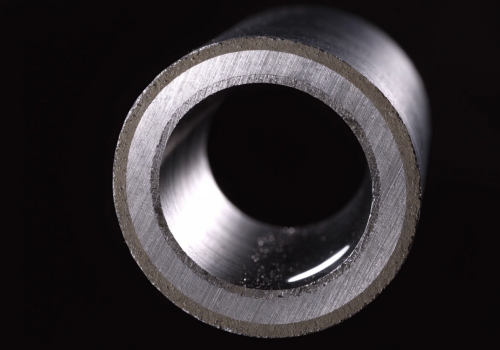
Let us look closer at these elements. You will see how they change the pipe quality and stop your project from failing.
Are your pipes too weak or too hard to weld? High carbon makes pipes brittle. Low carbon might lack strength. Understanding carbon grades solves this problem quickly. Carbon steel pipes fall into three types based on carbon content. Low carbon steel has 0.10% to 0.30% carbon. Medium carbon steel contains 0.25% to 0.60%. High carbon steel holds 0.60% to 1.70%. Low carbon is best for welding, while high carbon provides high hardness. I have worked in the steel pipe industry since 1996. I see many buyers make mistakes with carbon levels. You must match the carbon level to your project needs. Low carbon steel is also called mild steel. It is very easy to cut, forge, and weld. We use it a lot for basic building parts and normal pipes. Medium carbon steel gives you more strength. It often contains a small amount of manganese. You can use it for large mechanical parts and structural builds. High carbon steel is very hard. We often call it tool steel. You will find it in drill bits and cutting tools, not in standard pipes. If you need SSAW steel pipes for water or gas, low carbon is usually your best choice. It balances cost and flexibility perfectly. My company provides many SSAW pipes. We check the carbon level for every order. This keeps the EPC contractors happy. You save money when you pick the exact right grade. Here is a clear breakdown of the carbon levels:
| Steel Type | Carbon Content | Main Use | Welding Ability |
|---|---|---|---|
| Low Carbon | 0.10% - 0.30% | Pipes, chains, rivets | Excellent |
| Medium Carbon | 0.25% - 0.60% | Mechanical parts, structures | Fair |
| High Carbon | 0.60% - 1.70% | Drill bits, tools | Poor |
Do your pipes crack under pressure? Hidden impurities often cause this dangerous problem. You must control the basic five elements in your steel to ensure complete safety. The five main elements in the carbon steel pipe chemical composition are carbon, silicon, manganese, sulfur, and phosphorus. Carbon and manganese add strength. Silicon removes oxygen. Sulfur and phosphorus are harmful impurities that make the steel brittle and easy to break.
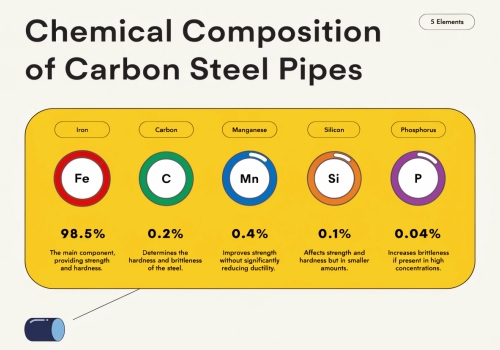
When you check a mill test certificate, you must look at these five elements. Carbon is the most important part. It gives the pipe its basic strength. Silicon acts as a deoxidizer during the steel making process. It makes the steel solid and clean. Manganese is a very helpful element. It increases toughness and helps fight the bad effects of sulfur. Sulfur is an impurity. It causes hot shortness. This means the steel might crack when it gets very hot during processing. Phosphorus is also a bad impurity. It causes cold brittleness. This means the steel can crack easily in cold weather. At Centerway Steel, we strictly control sulfur and phosphorus levels to protect your projects. If you buy pipes for cold areas, you must keep the phosphorus very low. I know EPC managers want perfect materials. You do not want pipes that break in winter. You must check the mill test report carefully. We help our clients read these reports. Look at this simple table to understand their effects:
| Element | Good or Bad | Main Function in Steel |
|---|---|---|
| Carbon (C) | Good | Increases hardness and strength |
| Silicon (Si) | Good | Deoxidizes and cleans the steel |
| Manganese (Mn) | Good | Improves toughness and strength |
| Sulfur (S) | Bad | Causes cracking at high temperatures |
| Phosphorus (P) | Bad | Causes cracking at low temperatures |
Do you need pipes for extreme heat or high pressure? Standard carbon steel might fail. Adding special alloy elements gives the steel extra power for tough jobs. Adding extra elements improves the standard carbon steel pipe chemical composition. Chromium adds strong corrosion resistance. Molybdenum increases high-temperature strength and stops creeping. Nickel boosts toughness without losing ductility. Titanium refines the grains and improves overall welding performance.
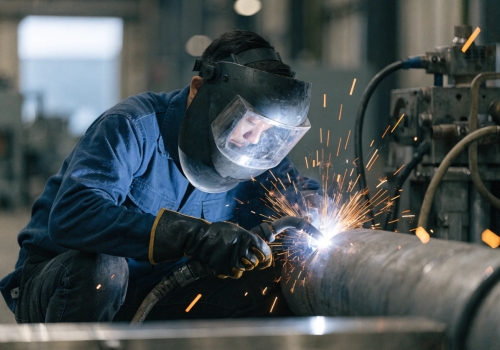
Sometimes basic carbon steel is not enough for an EPC project. You might need pipes for a chemical plant or a deep oil well. In these cases, we add special elements to the steel. Chromium (Cr) is very famous. It improves wear resistance and stops rust. Molybdenum (Mo) is also great. It helps the pipe keep its strength at very high temperatures. We call this creep resistance. Nickel (Ni) is another powerful element. It increases strength and fights acid, but it is expensive. Titanium (Ti) and Vanadium (V) are strong deoxidizers. They make the inside structure of the steel very tight. This makes the pipe much stronger. Aluminum (Al) is also a common deoxidizer, but too much of it can hurt the welding process. As a buyer, you must balance the cost of these elements with your project budget. I always ask my clients about their working temperature. This helps me suggest the right alloy. You do not need expensive nickel for a simple water pipe. But you need molybdenum for hot steam pipes. Here is a guide to these extra elements:
| Alloy Element | Key Benefit | Common Application |
|---|---|---|
| Chromium (Cr) | Rust and wear resistance | Stainless and heat-resistant pipes |
| Molybdenum (Mo) | High-temperature strength | Boiler and pressure pipes |
| Nickel (Ni) | High toughness and acid resistance | Special chemical pipelines |
| Titanium (Ti) | Refines grain, improves welding | High-stress structural pipes |
| Vanadium (V) | Stops hydrogen corrosion | High-pressure gas lines |
Knowing the chemical composition of carbon steel pipes helps you buy the best materials. Controlling carbon, impurities, and alloys ensures your project runs safely and saves you money.