 English
 Español
 Русский
Vision/Value: Pragmatism, Integrity, Passion

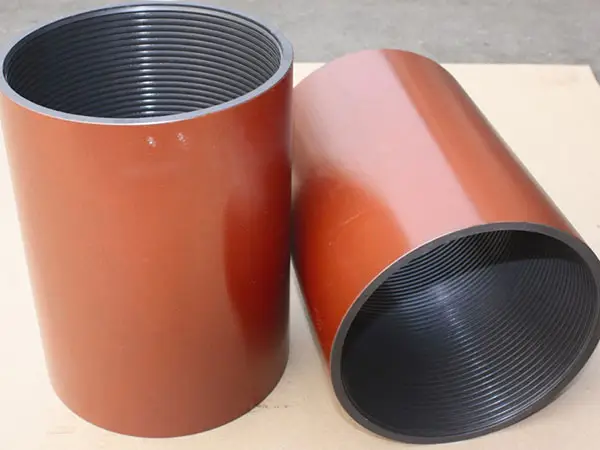
Pipeline corrosion is a nightmare for project managers. It causes leaks, safety hazards, and huge financial losses. You need a durable solution to stop rust before it starts. A Coated Carbon Steel Pipe combines high-strength steel with a protective layer like epoxy, polyethylene, or cement. This extends the lifespan of buried or submerged pipelines by preventing rust, reducing friction, and resisting harsh chemicals, making it essential for oil, gas, and water infrastructure.
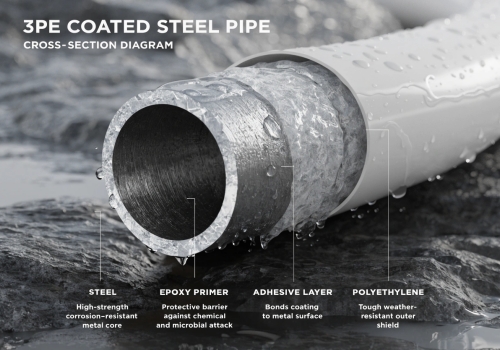
Many purchasing managers overlook the coating details. They focus only on the steel grade. This is a costly mistake. I have seen projects fail because of this. Let me explain the types and benefits so you can make the right choice.
Confusion about coating types is common in our industry. Choosing the wrong one leads to early failure. You must understand the specific options available to match your project needs. The main types include 3PE for buried pipes, FBE for high heat, and cement mortar for water. Selection depends on whether you need internal protection for flow or external protection against soil corrosion.
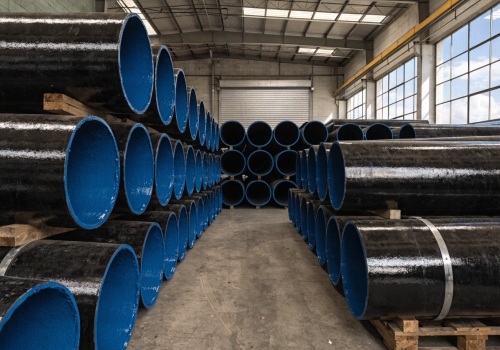
At Centerway Steel, we see many clients struggle with this selection. A Coated Carbon Steel Pipe is not just one product. It is a family of solutions. You need to look at two main categories: external coatings and internal linings. External Coatings protect the pipe from the outside environment. This is critical for buried pipes.
· FBE (Fusion Bonded Epoxy): This is a powder coating. It sticks very well to the steel. It handles high temperatures better than standard PE. However, it can crack if hit hard by rocks.
· 2FBE: This adds a rougher top layer to the standard FBE. It resists scratches better during installation. Internal Coatings protect the inside of the pipe.
· Liquid Epoxy: This creates a smooth surface. It reduces friction. This means you spend less money on pumping energy. It is great for water and gas.
· Cement Mortar Lining: We use this often for municipal water. It is cheap and effective. It stops the water from touching the steel. Here is a simple table to help you compare the most common options:
| Coating Type | Primary Location | Best For | Key Advantage |
|---|---|---|---|
| 3PE | External | Buried Oil/Gas/Water | High mechanical strength & longevity |
| FBE | External/Internal | High Temp Lines | Strong adhesion & cathodic resistance |
| Liquid Epoxy | Internal | Drinking Water/Gas | Reduces friction & improves flow |
| Cement Mortar | Internal | Municipal Water | Cost-effective & protects water quality |
Unprotected steel rusts quickly in soil or water. Replacing pipes is expensive and disruptive to operations. You want your infrastructure to last for decades, not just a few years. Coating provides a barrier against moisture, acids, and bacteria. It prevents perforation leaks and maintains flow efficiency. A proper Coated Carbon Steel Pipe system can multiply the service life of a project significantly compared to bare metal.
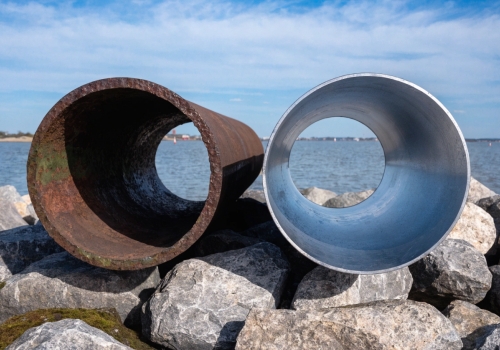
I have worked in this industry since 1996. I have seen what happens to bare pipes. Soil is full of moisture, acids, and salts. These elements attack carbon steel immediately. We call this the "corrosion cell."
1. Stopping Leaks and Accidents The biggest risk is perforation. A small hole can cause an oil spill or a gas explosion. This ruins your company's reputation. It also leads to huge fines. A high-quality coating acts as a shield. It stops the soil from touching the steel.
2. Protecting Water Quality For water projects, rust is a health hazard. We call it "Yellow Water Pollution." Rust builds up inside the pipe. It carries heavy metals. It makes the water dirty. An internal coating, like food-grade epoxy, keeps the water clean. It meets safety standards like NSF 61.
3. Saving Money on Energy This is a point many engineers miss. Rust makes the inside of a pipe rough. This creates friction. Your pumps have to work harder to move the fluid. This uses more electricity. A smooth coated pipe reduces drag. You save money on energy bills every month. 4. Extending Asset Life An uncoated pipe might last 15 years underground. A well-coated pipe can last 50 years or more. As a purchasing manager, you are buying long-term value. You reduce the CAPEX (Capital Expenditure) over time because you do not need to replace the line.
Not every pipe fits every job site. Using the wrong pipe in a chemical plant is dangerous and irresponsible. You need to match the specific application to the correct coating technology. These pipes are versatile and serve in municipal water supply, oil and gas transmission, and chemical processing. From buried city networks to subsea pipelines, there is a specific coating solution for every environment. You might be sourcing for an EPC company. You handle different types of projects. Coated carbon steel pipe is the backbone of many industries. Here is how we integrate them into different sectors at Centerway Steel. The Oil and Gas Industry This is our biggest market. Pipelines transport crude oil and natural gas over thousands of kilometers. These lines cross deserts, swamps, and oceans.
· Requirement: High corrosion resistance.
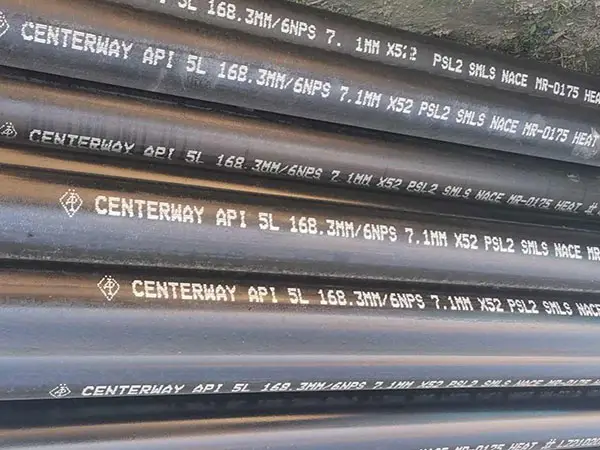
· Solution: We typically supply API 5L pipes with 3PE coating. It handles the soil stress and temperature changes. Municipal Water Systems Cities need reliable water. Leaks waste fresh water.
· Requirement: Hygiene and durability.
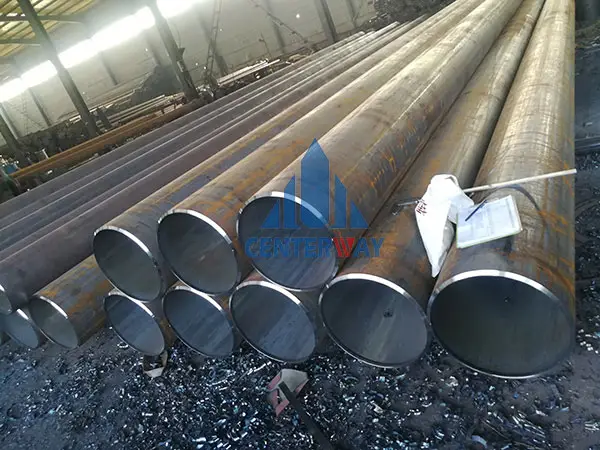
· Solution: Large diameter spiral pipes with Cement Mortar Lining or Epoxy. This ensures the water stays clean from the plant to the tap. The Power Industry Power plants use a lot of water for cooling and steam.
· Requirement: Heat resistance and wear resistance.
· Solution: We use specialized coatings like ceramic linings or high-temp FBE. These resist the wear from ash and the heat from steam. Fire Fighting Systems In building construction, red-painted pipes are common.
· Requirement: Reliability during emergencies.
· Solution: Epoxy coated pipes resist internal corrosion. This ensures the sprinkler heads do not get clogged with rust flakes when a fire happens. We have delivered these products to over 100 countries. Whether it is a project for CNPC or a local water plant, the logic is the same. The right coating saves the project.
Coated carbon steel pipes are essential for modern infrastructure. They save money, prevent accidents, and extend project life. Choose the right coating to ensure safety and efficiency for your clients.