 English
 Español
 Русский
Vision/Value: Pragmatism, Integrity, Passion

Struggling with poor pipe tolerances ruining your assembly? Wasting money on extra machining? Let us show you how the right pipe solves this problem instantly. A cold drawn seamless pipe is a high-precision steel tube that we process at room temperature through a drawing die. This method improves dimensional accuracy, surface finish, and mechanical strength, making it ideal for your precision mechanical parts.
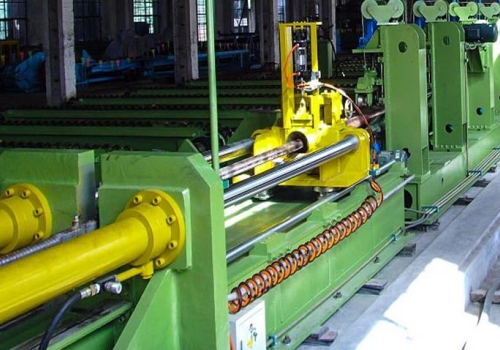
Keep reading to discover exactly how this manufacturing process works and why you should choose it for your next construction project.
Are hidden internal defects causing your pressure systems to fail? Manufacturers cause this when they skip crucial production steps. Let us break down a better process for you. We create a cold drawn seamless pipe by taking a hot-rolled base tube and pulling it through a precision die. We always include pickling, phosphating, cold drawing, and annealing to guarantee strict tolerances and relieve internal stresses.
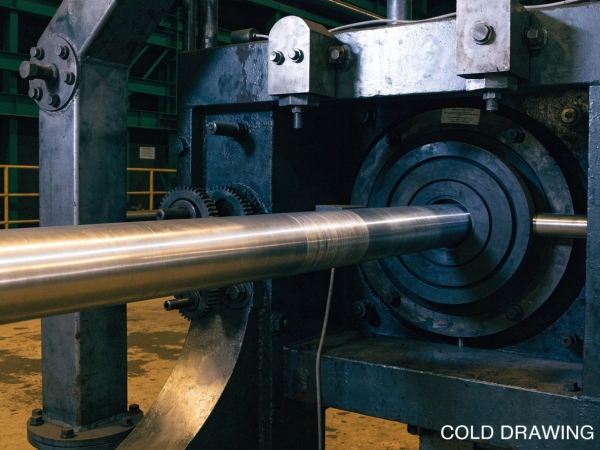
We do not just make a seamless steel pipe; we engineer it. The process requires several strict steps to ensure you get a reliable product. First, we use pickling to remove scale from the raw tube. Then, we apply phosphating to create a lubricating layer. This prevents scratches when we pull the metal through the machines. Next comes the core step. We pull the tube through a die at room temperature. This reduces the outer diameter and wall thickness perfectly. Finally, we use annealing to remove internal stress. If a factory skips annealing, the metal becomes brittle and cracks under pressure. We monitor every stage so you receive a flawless product on your job site.
Here are the steps we follow to secure your pipeline quality:
· Phosphating: Adds essential lubrication.
· Drawing: Shapes the exact dimensions.
· Annealing: Restores metal flexibility completely.
| Production Step | Primary Purpose | Your Benefit |
|---|---|---|
| Pickling | Removes surface impurities | Clean finish |
| Phosphating | Lowers friction | No surface scratches |
| Cold Drawing | Reduces diameter | Perfect fitment |
| Annealing (Heat treatment) | Relieves stress | Prevents field cracking |
Do your field engineers complain about mismatched fittings? Poor surface quality slows down your entire construction timeline. Here is the perfect solution for your sourcing needs. A cold drawn seamless pipe offers incredible benefits, including H8-H10 dimensional tolerances and incredibly smooth surfaces. This precision reduces your need for secondary machining, boosts fatigue strength, and saves your company money on large-scale installations.
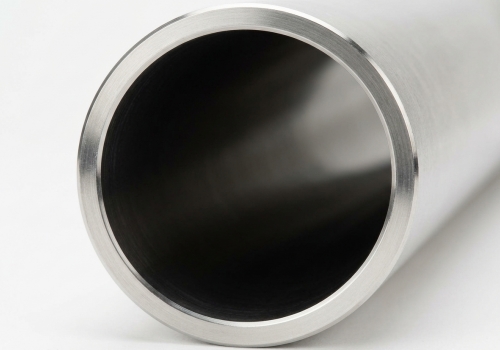
When you compare cold drawing to standard hot rolling, you immediately see the difference in precision. We know you need materials that fit together perfectly on the job site. Because we form the metal inside a strict die constraint, we control the exact wall thickness. This gives you a seamless steel pipe that acts like a precision component, not just basic structural steel. The cold working process also hardens the metal. This increases the yield strength of your tubes by 15% to 20%. You can use these tubes directly as semi-finished products, cutting your machining time in half. You spend less money on labor and get faster project completions.
We deliver these exact benefits to your site:
· Smooth finish: Needs much less grinding.
· High strength: Handles heavy pressure loads.
· Custom sizes: Fits your exact design plan.
| Feature | Hot Rolled Pipe | Cold Drawn Pipe |
|---|---|---|
| Size Tolerance | IT12 - IT13 | IT8 - IT10 |
| Surface Finish | Rough | Smooth (Ra ≤ 1.6 μm) |
| Yield Strength | Standard | 15% to 20% Higher |
| Best Use | Fluid transport | Precision components |
Choosing the wrong pipe material leads to catastrophic leaks and expensive rework. Stop guessing and match the exact specification to your specific application today. You should use a seamless steel pipe for high-pressure hydraulic cylinders, precision automotive shafts, and critical heat exchangers. The smooth inner wall improves heat transfer efficiency by up to 8%, making it perfect for your demanding engineering environments. You cannot use cold drawn tubes for everything. We recommend them specifically when you need strict dimensional control. For example, if you build hydraulic systems, you need a smooth inner bore. Our tubes give you a tight seal that prevents fluid leaks and extends the life of your equipment. You also need these tubes for heat exchangers and boilers. The smooth inner wall stops scale from building up. This keeps your equipment running efficiently and lowers your maintenance costs. We manufacture these tubes in specific sizes to meet international standards. We make sure you always pass your final project inspections.
We supply pipes for these specific uses:
· Hydraulic systems: Piston rods and cylinder sleeves.
· Machined parts: Shafts and bearing housings.
· Heat transfer: Boiler tubes and coolers.
· Instrumentation: Small capillary control lines.
| Application | Required Standard | Typical Sizes |
|---|---|---|
| Hydraulic Cylinders | GB/T 3639 | OD: 20mm - 200mm |
| Heat Exchangers | ASTM A179 | OD: 5mm - 50mm |
| Precision Parts | EN 10305 | WT: 0.5mm - 12mm |
Tired of discovering longitudinal cracks during final assembly? Material failure costs you time and ruins your reputation. Let us show you how to stop these issues. To prevent defects in your seamless steel pipe, you must monitor the drawing reduction rate and ensure proper intermediate annealing. Good quality control prevents surface scratches, dimensional deviations, and dangerous residual stresses that cause field failures. As an experienced buyer, you know that bad quality control ruins a project. Cold working puts a lot of stress on the metal. If a factory pushes the machine too hard, the tube cracks. We prevent this by calculating the exact reduction limit for every single batch we produce. We also pay close attention to residual stress. When you shape metal at room temperature, energy gets trapped inside the steel. If we do not bake that stress out through careful annealing, the tube will crack as soon as your team installs it in a corrosive environment. We inspect every tube to ensure you receive flawless materials ready for installation.
Watch out for these common manufacturing mistakes:
· Cracking: Comes from skipping heat treatment.
· Scratches: Caused by poor die lubrication.
· Size errors: Happens when drawing dies wear out.
· Corrosion: Results from trapped internal stress.
| Defect Type | Root Cause | Our Solution |
|---|---|---|
| Longitudinal Cracks | High reduction rate | Strict process limits |
| Surface Pitting | Dirty raw material | Deep pickling wash |
| Dimension Error | Worn drawing dies | Frequent tool replacement |
| Stress Cracking | Trapped energy | Full annealing (heat treatment) |
Still have questions about material selection? Confusion delays your purchasing decisions and impacts your bottom line. We have the direct answers you need right here. Our FAQ helps you quickly understand sizing limits, the exact differences between manufacturing methods, and specific application rules so you can source the perfect pipeline products today. We talk to sourcing managers every day, and we know you need clear, fast answers. We compiled the most frequent questions we receive to speed up your sourcing process.
Q: What is the main difference between cold drawn and hot rolled pipes?
A: We process cold drawn pipes at room temperature to give you high precision and smooth surfaces. Manufacturers produce hot rolled pipes at high temperatures, which makes them cheaper but much rougher.
Q: What sizes can I order for my project?
A: You can order outer diameters ranging from 5 mm to 200 mm. We provide wall thicknesses from 0.5 mm up to 12 mm for your precision applications.
Q: Why do some cold drawn tubes cost more upfront?
A: They require extra manufacturing steps like pickling, phosphating, and annealing. These steps give you a better product that actually saves you money on final machining and assembly.
Q: Can I use these tubes for basic structural supports?
A: You can, but it wastes money. We recommend you use hot rolled tubes for simple structures and save our precision tubes for your mechanical and hydraulic systems.
| Question Topic | Quick Takeaway |
|---|---|
| Processing | Cold equals high precision |
| Size Range | 5mm to 200mm Outer Diameter |
| Cost Value | Saves machining expenses |
| Application | Best for mechanical parts |
A cold drawn seamless pipe gives you the exact dimensions and smooth finish you need for high-end construction. Contact Centerway Steel today to source your reliable pipeline products.