 English
 Español
 Русский
Vision/Value: Pragmatism, Integrity, Passion

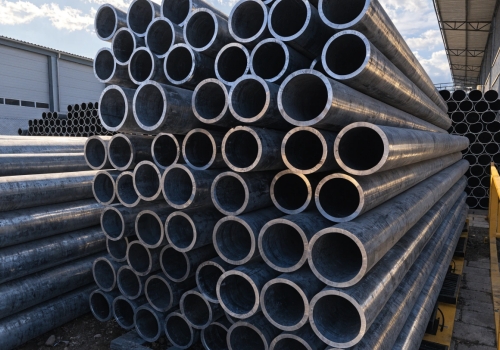
High heat can cause pipeline failures. This leads to costly project delays. I will show you how to select the right pipes to keep your systems safe and efficient. A seamless carbon steel pipe for high temperature service is a pipe made without welding seams. It resists extreme heat and high pressure. ASTM A106 is the most common grade used for these demanding environments in refineries, boilers, and power plants.
I remember a time when a client faced a huge boiler shutdown due to the wrong pipe choice. This mistake cost them thousands of dollars. You do not want to make the same error. Let us explore how you can pick the perfect materials for your next big project to avoid these hidden risks.
You might worry about material costs blowing up your budget. Poor materials also break under stress. Carbon steel solves both problems with its high strength and low price. Carbon steel contains between 0.05% and 2.0% carbon. This element gives the metal extreme durability. Industries use it widely because it handles high pressure and massive heat loads safely without costing too much money.
Carbon acts as a hardening agent in steel. When you add more carbon, the steel becomes harder and stronger. I often tell my clients to look at the carbon levels before buying. If the carbon is too low, the pipe might bend. If the carbon is too high, the pipe becomes too hard to cut.
We group carbon steel into three main types based on carbon limits. Low carbon steel is easy to shape and weld. Medium carbon balances strength and flexibility perfectly. High carbon steel is very hard and tough. A seamless carbon steel pipe for high temperature service often uses medium carbon levels. This helps it maintain its shape under extreme heat safely.
In my many years of supplying pipeline products globally, EPC companies always prefer carbon steel. It simply does the job right. It does not crack easily. It holds up well when heavy fluids pass through at high speeds. It gives you the best value for your money.
| Steel Type | Carbon Content | Best Use Case |
|---|---|---|
| Low Carbon | Less than 0.35% | Structural pipes, basic water lines |
| Medium Carbon | 0.35% to 0.50% | High-stress industrial piping |
| High Carbon | 0.50% to 2.0% | Heavy wear and tear tools |
Weak joints can leak and ruin your entire pipeline system. This puts workers in danger. Seamless pipes remove this risk completely by having no weak spots. Seamless pipes are formed from a single solid piece of metal. Welded pipes are rolled flat steel plates joined together by welding. Seamless pipes handle stress much better because they have no weld seams to break under high pressure.
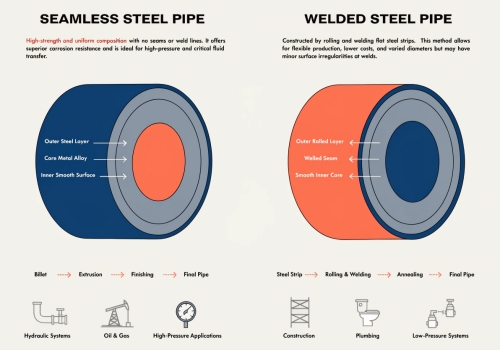
We start with a solid metal block called a billet. We heat this billet until it is very hot. Then, we push a piercing rod through the center of the block. After that, we roll it to reach the final size and wall thickness. This process creates a fully uniform tube from start to finish.
Welded pipes start as flat steel sheets. Machines roll the flat sheets into a round tube shape. Then, a machine or welder seals the edges together. This creates a long seam along the entire length of the pipe.
I always advise clients to choose seamless for extreme conditions. The seam on a welded pipe is a natural weak point. A seamless carbon steel pipe for high temperature service will not split open under extreme heat. Welded pipes are cheaper, but they are only good for basic, low-pressure tasks like simple water lines.
| Feature | Seamless Pipe | Welded Pipe |
|---|---|---|
| Strength | Very High | Moderate |
| Pressure Rating | High | Low to Medium |
| Cost | Higher | Lower |
| Weak Points | None | The weld seam |
Picking the wrong steel grade can cause rapid pipeline failure. You lose money and time. Learning the basic grades helps you make smart and safe buying choices. ASTM A106 is the standard for high heat tasks. ASTM A53 works well for low to medium pressure like water lines. API 5L is made for oil and gas pipelines. ASTM A333 handles freezing environments perfectly.
Boilers and refineries deal with extreme heat constantly. For these jobs, you must use ASTM A106. This is the ultimate seamless carbon steel pipe for high temperature service. I once helped a client upgrade to A106, and it stopped their recurring pipe bursts immediately.
If you just need to move water or air, ASTM A53 is a great, cheap choice. But what if your project is in a freezing place? Standard steel becomes brittle in the cold. For sub-zero areas, you need ASTM A333. It stays tough even when covered in ice.
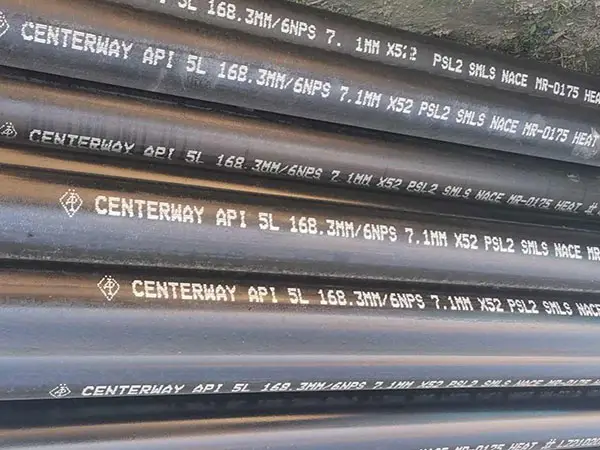
For long-distance oil transport, API 5L is the strict industry rule. It resists sour gas and soil chemicals well.
Here is a simple guide to help you match the grade to your exact needs.
| Steel Grade | Best Application | Temperature Range | Key Benefit |
|---|---|---|---|
| ASTM A106 | Refineries, Boilers | Up to 750°F | Handles high heat well |
| ASTM A53 | Water, Air, Steam | Up to 550°F | Cheap and simple |
| API 5L | Oil and Gas lines | Varies widely | Resists sour gas |
| ASTM A333 | Freezing locations | -50°F to 650°F | Will not shatter in cold |
Replacing rusted or cracked pipes eats up your maintenance budget. Constant repairs halt your daily operations. High-quality seamless pipes stop these fixes and save money. Seamless carbon steel pipes offer massive mechanical strength and durability. They handle intense heat and pressure safely. With the right protective coatings like epoxy or galvanization, they also resist rust and last for decades.
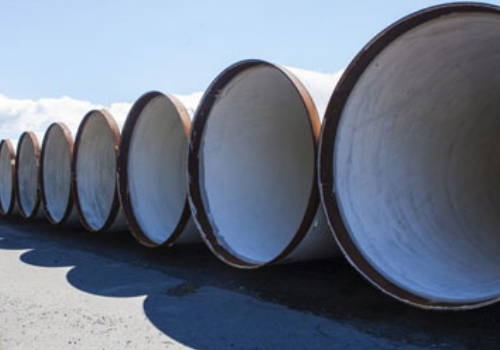
The solid structure of a seamless pipe gives it amazing mechanical strength. It does not warp or bend easily. In construction projects, engineers rely on this uniform strength to build safe, heavy-duty frameworks. I always check the strength ratings before sending any batch to a client.
Pressure pushes hard against the inside walls of a pipe. Any weak spot will crack over time. Because seamless pipes have no joints, they handle internal pressure perfectly. You can sleep well at night knowing your steam lines will hold up under daily stress.
Carbon steel rusts if left bare outdoors. But we can stop this damage easily. We apply zinc, epoxy, or heavy paint to the outside surface. I always tell my buyers to invest in good coatings. Coated pipes can survive underground or near salt water for over 25 years safely.
| Benefit Area | How It Helps Your Project | Long-Term Impact |
|---|---|---|
| Uniform Strength | Stops pipe bending under heavy weight | Safer work sites |
| High Pressure Limits | Prevents sudden pipe bursts | No costly shutdowns |
| Custom Coatings | Blocks water and chemical rust | Over 25 years of service |
The right seamless carbon steel pipe for high temperature service ensures your pipeline runs safely. Match project needs with the correct grade to save money and prevent future failures.