 English
 Español
 Русский

Vision/Value: Pragmatism, Integrity, Passion

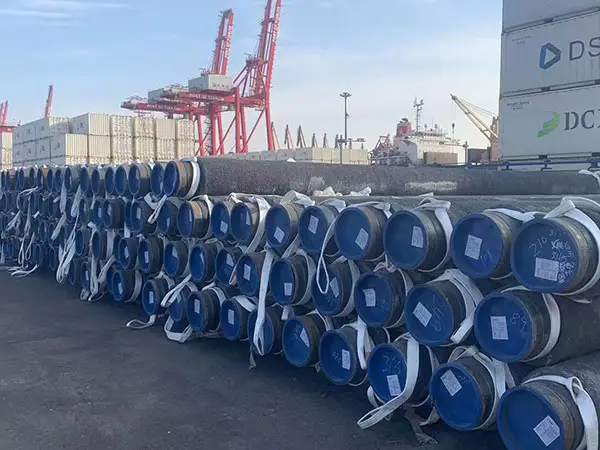
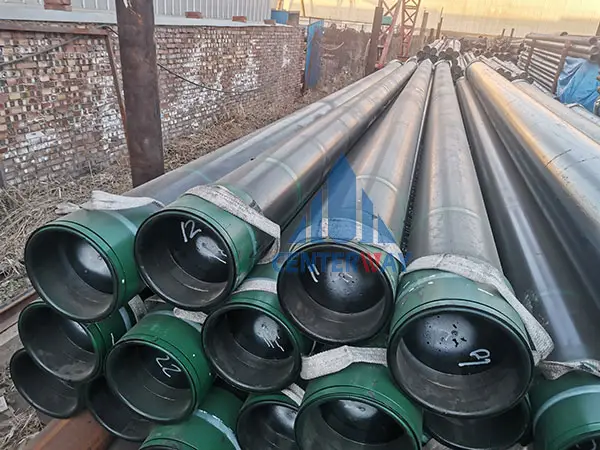
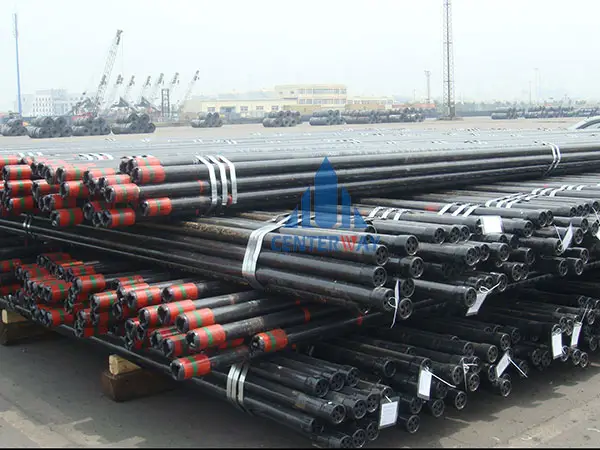
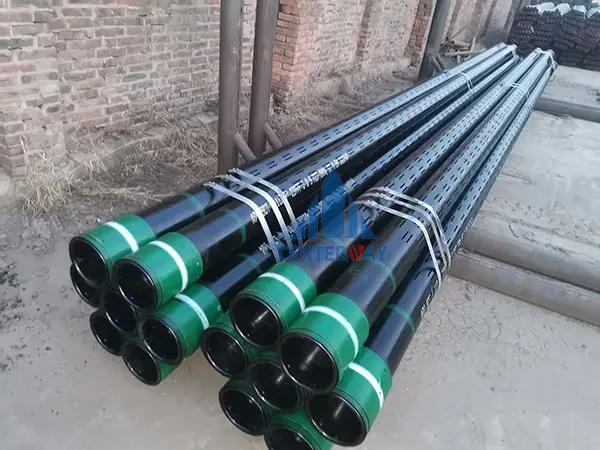
Gas leaks ruin projects and cost lives. You need safe pipes for high-pressure gas transport. The right seamless pipe solves this problem and keeps your pipeline safe for decades. You must match the pipe material to the pressure level and environment. You should pick high-strength steel like X80 for high pressure, and 3PE coated pipes for corrosive soil. The right seamless steel pipes for natural gas engineering ensure zero leaks and handle extreme weather easily.
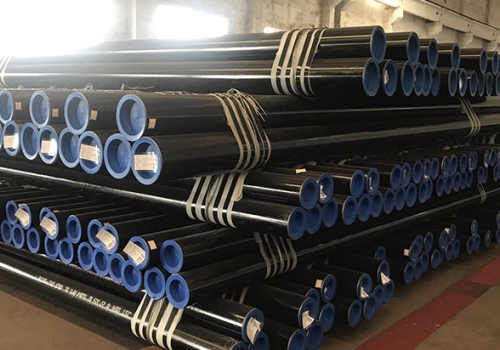
I remember a project five years ago. A client bought cheap welded pipes instead of seamless ones. The high gas pressure caused a seam failure in winter. They lost a lot of money. I will show you how to avoid this mistake.
Welded pipes crack under extreme gas pressure. This failure stops gas delivery entirely. Seamless pipes lack weak joints, so they handle massive stress without breaking. Seamless pipes have no weld seams. They offer high pressure resistance, perfect structure, and long-term durability. We use them in natural gas projects to stop gas leaks and keep long-distance transport networks safe under high stress. When you build a gas pipeline, you face different pressure zones. You cannot use the same pipe everywhere. I always tell my clients to look at the pressure first. High pressure needs high yield strength.
· Grade X80 fits long-distance trunk lines.
· Grade 316L works best in salty coastal dirt. Let us look at a simple data breakdown. I made this table to show the yield strength you need.
| Application | Pipe Material | Yield Strength | Design Pressure |
|---|---|---|---|
| City Networks | Q345B | 345 MPa | 1.6 to 4.0 MPa |
| Trunk Lines | X80 | 555 MPa | 6.0 to 12.0 MPa |
| Coastal Lines | 316L Stainless | 170 MPa | Varies |
A pipe that is too small limits gas flow. A pipe that is too thin bursts under pressure. You must calculate both accurately to balance safety and flow volume. You determine pipe size by checking your design pressure and gas flow rate. You calculate the minimum wall thickness using Bernoulli’s equation. Always add a 15% safety margin to account for future wear and soil corrosion.
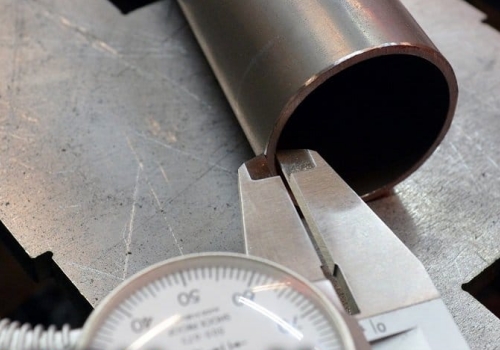
I see buyers guess pipe sizes often. This guessing ruins budgets. You need large diameters like 1016 mm for long-distance lines. You need small diameters like 114 mm for city distribution.
1. Find your target gas flow rate per day.
2. Pick the outer diameter based on the flow target.
3. Calculate wall thickness using your peak pressure.
4. Add a safety buffer for rust over time. For example, my team supplied pipes for a 10 MPa project last year. The raw math suggested an 18 mm wall thickness for the X80 pipe. We recommended 20 mm instead. That extra 2 mm acts as a shield against rust. It costs a little more upfront. But it gives the pipeline an extra 10 years of safe life. You also must consider the installation space. City streets have tight corners. Small diameter pipes bend and fit easier in these tight spots.
Bare steel rusts fast in wet soil. Rust eats through the metal and causes leaks. Good coatings stop this damage and protect your investment. You apply a 3PE coating on the outside to block soil moisture and UV rays. You add an epoxy coating on the inside to stop sour gas damage. These coatings make seamless steel pipes for natural gas engineering last over 30 years. Corrosion is a pipeline's biggest enemy. I have seen bare pipes rust away in just five years in salty soil. You must protect the inside and the outside.
· 3PE coating blocks water and physical scratches (best for long lines).
· Epoxy coal tar costs less (good for normal city soil).
· FBE coating resists heat well.
· Epoxy ceramic stops acid damage from sour gas.
· Phosphate coating stops basic rust during storage. Here is a breakdown of external coatings:
| Coating Type | Best Environment | Expected Lifespan |
|---|---|---|
| 3PE | Rocky or wet soil | 30 to 50 years |
| Epoxy Coal Tar | Dry city soil | 15 to 20 years |
| Bare Steel | Never use underground | 1 to 5 years |
Freezing temperatures turn normal steel brittle. Brittle pipes shatter like glass under pressure. You need special low-temperature toughness to stop winter pipeline disasters. You test the impact energy of the steel at freezing temperatures. The pipe must maintain at least 34 Joules of impact energy at -30°C. This toughness stops cracks from forming when the ground freezes solid in winter.
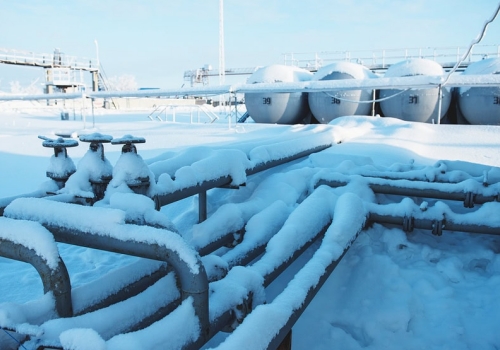
Cold weather scares pipeline engineers. I once supplied pipes to a project in Northern Europe. The winter temperature drops to -40°C there. We had to prove our pipes would not shatter.
1. Ask the factory for low-temperature impact test reports.
2. Verify the AKV impact energy numbers.
3. Match the steel grade to your lowest local temperature. Different steel grades handle cold differently. If you buy X80 steel for a long-distance line, it must hold an impact energy of 40 Joules at -40°C. If you buy Q345B steel for a city line, it needs 34 Joules at -30°C. You cannot skip these tests. If a brittle pipe cracks, the high-pressure gas explodes out of the ground. Always demand the test paperwork. We test every batch of our pipes in a freezing chamber. We hit the frozen steel with a heavy hammer to prove it bends instead of breaking.
Q1: Why do we prefer seamless pipes over welded pipes?
A1: Seamless pipes lack weak weld seams. They handle high gas pressure better and stop leaks completely.
Q2: How long do these natural gas pipelines last?
A2: They last 30 to 50 years. You must apply a 3PE external coating to reach this lifespan.
Q3: Can these pipes survive freezing winter temperatures?
A3: Yes. Factories test the steel at -40°C to ensure the metal bends instead of shattering.
Q4: Which steel grade works best for high-pressure projects?
A4: You should choose X80 grade steel. It provides a massive 555 MPa yield strength for extreme pressure.
You need strong materials, correct sizes, and good coatings for gas pipelines. Buy our reliable seamless steel pipes today to keep your next gas project safe and efficient.