 English
 Español
 Русский
Vision/Value: Pragmatism, Integrity, Passion

Do you struggle with system failures due to poor thermal control? Inefficient pipelines cost you time and money. We can help you solve this thermal transfer problem today. Tubes on a heat exchanger are the core components that transfer thermal energy between two fluids without mixing them. They act as a physical barrier, absorbing heat from a hot fluid and releasing it into a cooler one, ensuring optimal temperature control in your industrial systems.
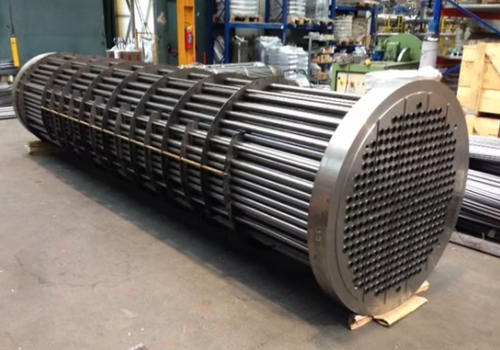
If you want to keep your projects running smoothly, you must understand how these components function. Let me show you the details that matter most for your next purchase.
Are your energy costs rising? Poor heat transfer wastes massive amounts of fuel. You need to understand the physics inside your equipment to stop this financial leak. Heat moves through the tube walls via conduction, while convection circulates the fluid inside and outside the tube. This combined action transfers energy rapidly. The fluids never touch directly, which prevents contamination while maximizing thermal efficiency. To truly optimize your pipeline systems, we must look closer at the specific transfer phases. You face constant pressure to reduce operational costs, and improving heat exchange is the fastest way to achieve that goal.
· Convection: The moving fluid carries the heat away.
· Radiation: High-temperature applications use electromagnetic waves. You must choose the right wall thickness. Thicker walls resist high pressure but slow down conduction. Thinner walls transfer heat faster but risk bursting under stress. In our decades of experience at Centerway Steel, we see buyers often over-specify wall thickness. This habit increases initial material costs by up to 15%. It also reduces your daily thermal efficiency. You save money when you balance pressure ratings with thermal conductivity. I always recommend reviewing your actual operating pressure. Do not rely solely on generic safety margins. When you match the wall thickness exactly to your fluid's behavior, your energy consumption drops. Your pumps work less, and your overall system lifespan increases dramatically.
Does rapid corrosion destroy your pipeline systems? Replacing damaged equipment ruins your maintenance budget. You must pick the correct alloy to prevent premature failure. The best materials include stainless steel for general corrosion resistance, copper for high thermal conductivity, and titanium for harsh saltwater environments. Your choice depends entirely on your fluid types, operating temperatures, and budget constraints.
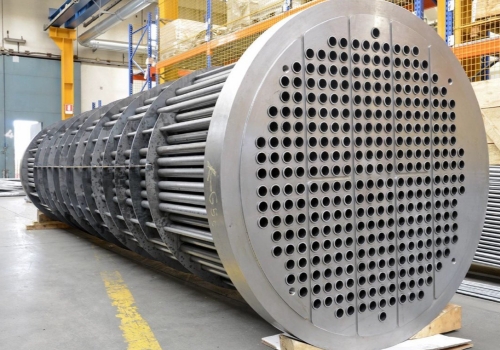
Selecting the right metal determines how long your system survives. We source and supply various alloys globally, and I want to share the practical differences you need to know before buying.
· Copper Alloys: Transfers heat rapidly but degrades in certain water chemistries.
· Titanium: Impervious to seawater but carries a high upfront cost.
· Carbon Steel: Excellent for high-temperature, non-corrosive environments. Let me break down the cost and performance factors for you.
| Material | Best Application | Relative Cost | Expected Lifespan |
|---|---|---|---|
| Stainless Steel | Chemical plants | Medium | 15-20 years |
| Copper | HVAC systems | Medium-High | 10-15 years |
| Titanium | Offshore platforms | High | 25+ years |
| Carbon Steel | Power boilers | Low | 10-12 years |
Are space constraints limiting your facility's output? Bulky equipment blocks your expansion plans. You can fix this by choosing a more efficient tube profile. Common designs include smooth bore tubes for clean fluids, finned tubes for gas cooling, and U-tubes for systems needing thermal expansion flexibility. The physical shape of the tube dictates the surface area available for heat exchange and determines your maintenance schedule.
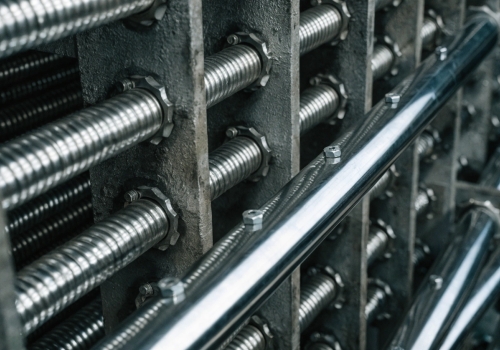
The shape of your tube impacts your daily operations just as much as the material. We provide solutions for diverse engineering projects, and I always check the fluid type before recommending a design.
· Finned Tubes: These have external ridges. They increase the surface area drastically, making them perfect for air-cooled applications.
· U-Tubes: These bend in a U-shape. They expand and contract freely, which prevents structural stress during rapid temperature changes.
· Corrugated Tubes: These have internal grooves. They force the fluid to swirl, which stops insulating layers from forming on the metal. A finned design can increase your heat transfer rate by 20% compared to a smooth tube in the exact same footprint. However, if your fluid contains heavy particulates, those fins will trap debris. This trapped debris causes clogs and ruins your efficiency. Always match the tube profile to your fluid cleanliness. U-tubes offer excellent value because you only need one tube sheet. This reduces your upfront fabrication costs. But keep in mind, cleaning the inside of a U-bend requires specialized flexible tools. You must weigh the fabrication savings against your long-term maintenance capabilities.
Do technical specifications confuse your purchasing decisions? Guessing the right parameters leads to costly mistakes. Let us clear up your doubts right now. We often receive questions about sizing, pressure ratings, and maintenance protocols. By addressing these common queries directly, you gain the clarity needed to source the perfect components for your engineering pipeline systems with total confidence. You need quick, accurate answers when sourcing pipeline equipment. Here are the most pressing questions we answer for our global partners every single day.
Q: How do I calculate the required wall thickness for my tubes?
A: You must evaluate the maximum internal pressure and the corrosion allowance of your selected material. We recommend consulting ASME standards to ensure total safety compliance.
Q: Why do tubes on a heat exchanger fail?
A: The most common causes include localized corrosion, extreme vibration, and thermal fatigue. You can prevent these issues by selecting the correct alloy and ensuring proper structural support during installation.
Q: Can I mix different metals in one system?
A: We strongly advise against this unless you use galvanic isolation. Mixing dissimilar metals in conductive fluids causes galvanic corrosion, which destroys the less noble metal rapidly.
Q: How often should I clean my system?
A: You should schedule cleaning based on your pressure drop readings. When the pressure drop increases by 15%, you must remove the fouling to restore efficiency.
Q: How do you verify the quality of the tubes before shipment?
A: We use non-destructive testing methods like eddy current and hydrostatic testing. These tests ensure the metal has no hidden cracks and can withstand your specified operating pressure safely.
Choosing the right equipment maximizes your system's efficiency and lifespan. Contact Centerway Steel today to source the perfect heat exchanger tube for your next big project.