 English
 Español
 Русский
Vision/Value: Pragmatism, Integrity, Passion

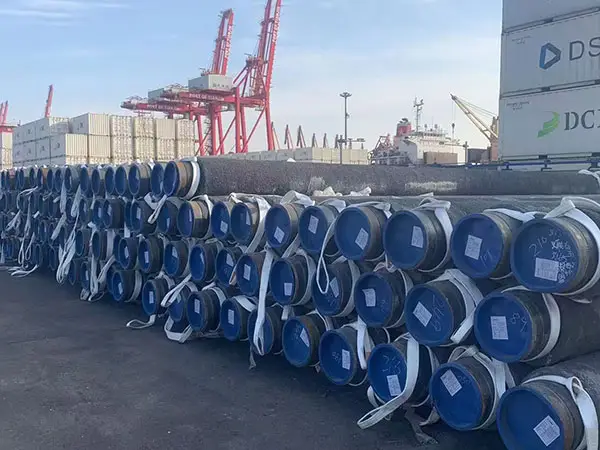
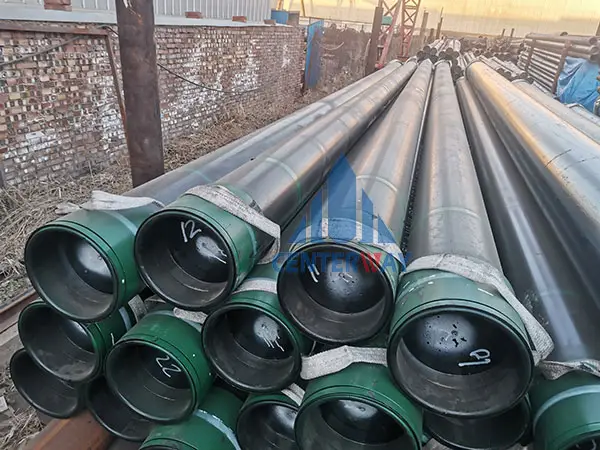
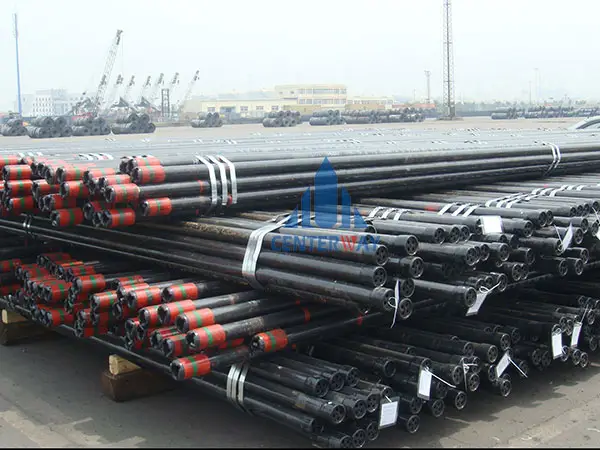
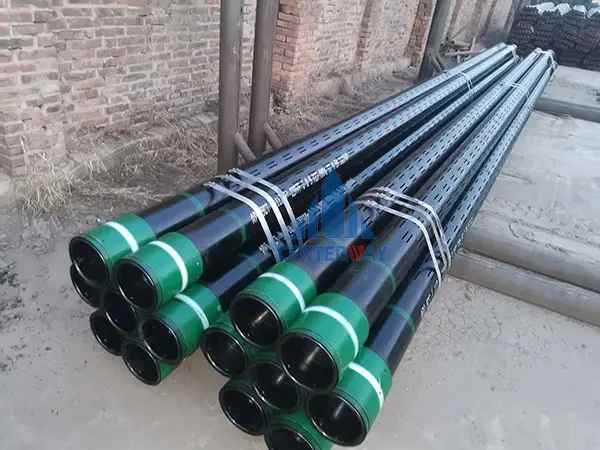
Do your metal pipes rust quickly in harsh setups? Frequent leaks cost you time and money. A corrosion resistant composite pipe solves this problem permanently. A corrosion resistant composite pipe joins a tough carbon steel outer shell with a special inner alloy liner. This design stops rust, holds high pressure, and costs less than full alloy pipes. It works best for oil, gas, and heavy water systems.
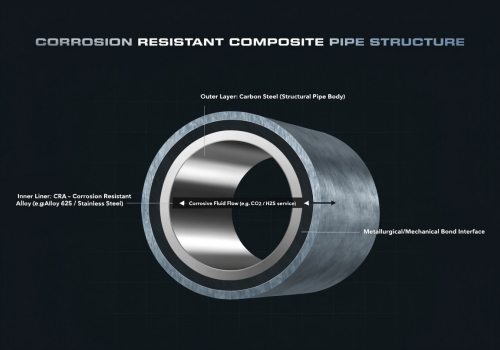
You might think regular steel is enough, but hidden rust will force you to stop operations. We can look at better options together to protect your pipelines.
High material costs eat up your project budget. Full alloy pipes are too expensive. You need a smarter way to cut costs without losing safety. This pipe saves money because it uses cheap carbon steel for strength and a thin layer of expensive alloy only on the inside. You pay less for materials while getting the exact same rust protection as a solid alloy pipe.
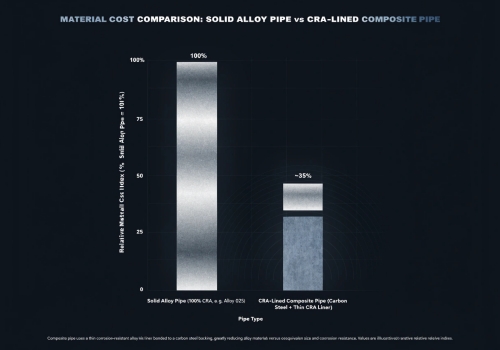
I have seen many buyers waste money on solid stainless steel pipes. They pay for thick alloy walls when only the inside touches the fluid. We fix this by giving you a smart mix of two materials. This design keeps your total cost of ownership low. You spend less on the first purchase. You also spend less on repairs over the next twenty years.
· Workers weld the outer carbon steel easily, which cuts labor time.
· The inner liner stops chemical attacks, so you avoid paying for constant pipe replacements.
· Lower weight means cheaper shipping and easier handling on your site. I want to show you the clear cost difference. Look at the data below for a standard pipeline project (based on 1000 meters of pipe).
| Pipe Type | Material Cost | Maintenance Cost (10 Years) | Expected Lifespan |
|---|---|---|---|
| Solid Carbon Steel | Low | High | 5-8 Years |
| Solid Alloy (316L) | Very High | Low | 20+ Years |
| Composite Pipe | Medium | Low | 20+ Years |
Picking the wrong pipe size causes fit issues. Mismatched materials lead to fast damage. You need exact specs to match your project needs. These pipes come in standard outer sizes from 4 inches to 48 inches. The inner liner uses alloys like 316L or Incoloy 825. You use them mostly for oil transport, seawater injection, and chemical processing plants. When we supply pipes for big projects, we make sure every size matches your blueprint. You do not have to guess if the pipe will fit. We build the outer shell to hold high pressure. We pick the inner liner based on the exact fluid you pump through the system.
· Inner liner for water: Stainless steel 304 or 316L (stops basic water rust).
· Inner liner for oil: Alloy 825 or 625 (fights bad sour gas and salt).
· Standard length: 6 meters to 12 meters per piece. Our factory tests every single pipe before we ship it to you. We run water pressure tests and ultrasonic checks. This means you will never find a hidden crack when the pipe arrives at your site. I remember one customer who pumped harsh seawater. They used our 12-inch pipe with a 316L liner. After five years, they checked the lines and found zero rust. You can trust this design for your toughest jobs.
Bad welds ruin good pipes. If the joint fails, the whole system leaks. You need a simple and safe way to join these pipes together. You install this pipe by welding the inner alloy first and the outer steel second. You must use the correct filler metal for each layer. This step-by-step method keeps the rust protection continuous across every single joint in the pipeline.
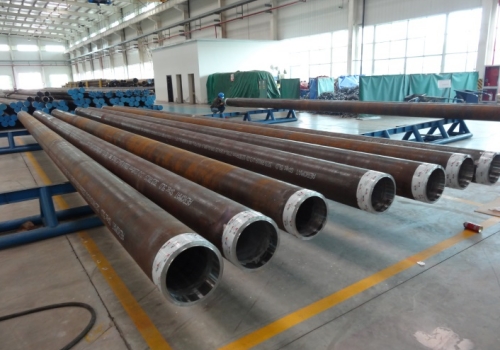
Installing a two-layer pipe sounds hard, but it is actually very simple if you follow the right steps. I always tell my clients to focus on the joint preparation. You cannot treat it like a basic water pipe. The inner layer needs special care to keep its rust-fighting power.
· Clean the pipe ends completely to remove all dirt and oil.
· Weld the root pass using high-alloy filler wire (this seals the inner liner).
· Weld the fill and cap passes using carbon steel filler wire (this connects the outer shell).
· Check the final weld with an X-ray machine to ensure there are no gaps. Your workers do not need to learn completely new skills. They just need to switch welding rods between passes. We always send a clear welding guide with our shipments. This guide lists the exact heat levels and wire types you need. If your team follows the guide, the joints will be as strong as the rest of the pipe. Proper installation makes sure your system stays dry and safe for decades.
Q: Can I use this pipe for drinking water?
A: Yes. We can use food-grade stainless steel for the inner liner, which keeps drinking water perfectly safe and clean.
Q: How fast can you deliver these pipes?
A: Delivery depends on your order size. We usually finish production and ship standard orders within 30 to 45 days.
Q: Do you offer custom lengths?
A: Yes. We cut the pipes to your exact required length before we ship them from our factory.
A corrosion resistant composite pipe saves you money and stops leaks. If you want high-quality pipes, contact us at Centerway Steel today for a quick quote.